

Managing money wisely is not about being extremely frugal or cutting out all enjoyment from your life. It is about building smart habits that allow you to spend confidently while still preparing for the future. Many people struggle to save not because they don’t earn enough, but because they lack a structured system. The good news is that practical money saving methods can help you gain control of your finances and steadily grow your savings.
Below are realistic and effective money saving methods that can work for individuals, couples, and families.
1. Budgeting With Purpose

One of the most powerful money saving methods is creating a clear and realistic budget. A budget shows exactly how much money is coming in and where it is going each month. When you assign every dollar a purpose, you reduce wasteful spending and avoid financial surprises.
Instead of viewing budgeting as restrictive, see it as a tool for freedom. It allows you to enjoy spending in the right areas while ensuring important expenses and savings are covered first.
2. Paying Yourself First

A highly effective method is saving before you spend. As soon as you receive your income, transfer a fixed percentage into savings. This approach ensures that saving becomes a priority rather than an afterthought.
When savings are automatic, you adjust your lifestyle around what remains. Over time, this habit builds a strong financial cushion without feeling overwhelming.
3. Cutting Small Daily Expenses

Small daily expenses often go unnoticed, but they can significantly impact your finances. Regular coffee shop visits, convenience store snacks, and frequent food delivery orders can quietly drain hundreds of dollars each month.
Preparing meals and drinks at home may seem minor, but these consistent small savings create meaningful results over time.
4. Reducing Housing Costs

Housing is typically the largest expense in any budget. Finding ways to reduce rent or mortgage payments can dramatically improve your financial stability. This may include refinancing, negotiating rent, or downsizing to a more affordable space.
Even sharing housing costs with roommates or family members can ease financial pressure and increase your savings rate.
5. Smart Grocery Shopping

Groceries are necessary, but overspending on food is common. Planning meals in advance, shopping with a list, and avoiding impulse purchases are simple yet effective methods.
Buying generic brands, comparing prices, and purchasing in bulk for non-perishable items can lower your monthly grocery bill without sacrificing quality.
6. Managing Debt Strategically

High-interest debt makes saving difficult. One of the smartest money saving methods is prioritizing debt repayment, especially for credit cards with high interest rates.
Paying off debt reduces the amount you lose to interest and frees up more money for savings and investments.
7. Building an Emergency Fund
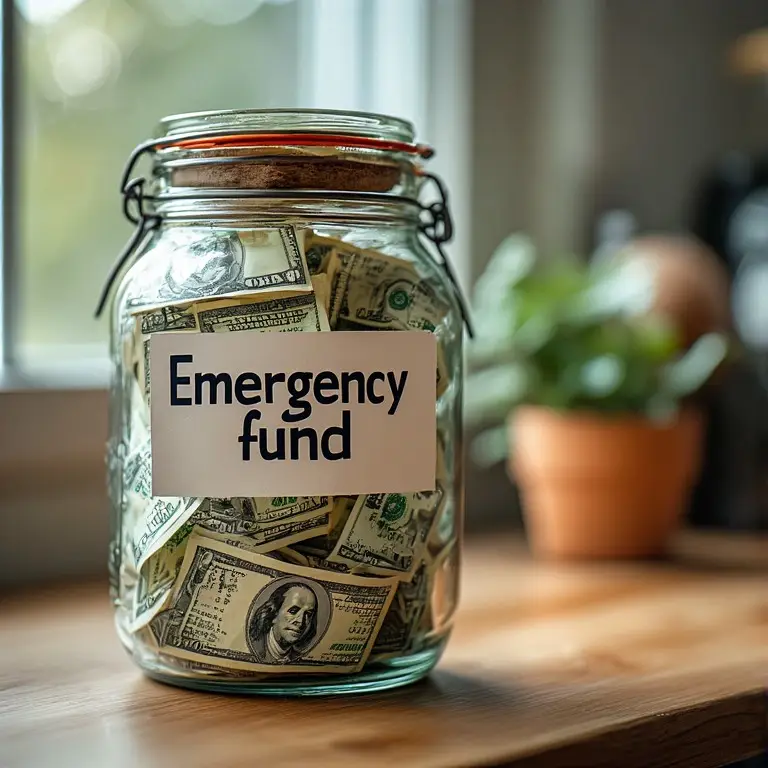
An emergency fund protects you from unexpected expenses like medical bills or car repairs. Without savings, these situations often lead to borrowing and more financial stress.
Setting aside even small amounts regularly helps create a safety net that brings peace of mind.
8. Controlling Subscription Services

Subscription services are convenient but can accumulate quickly. Reviewing your subscriptions regularly ensures you are only paying for what you truly use.
Canceling unused or duplicate services immediately frees up extra money that can be redirected toward savings.
9. Practicing Mindful Spending

Mindful spending means thinking carefully before making purchases. Instead of buying impulsively, ask yourself whether the item adds real value to your life.
Waiting 24 hours before making non-essential purchases often prevents regret and unnecessary expenses.
10. Increasing Income Alongside Saving

While cutting expenses is important, increasing income can accelerate your savings journey. Side projects, freelance work, or skill development can create additional income streams.
When extra income is directed toward savings instead of lifestyle upgrades, financial growth becomes faster and more noticeable.
11. Using Cash for Better Control

For people who struggle with overspending, using cash instead of cards can improve discipline. Physically handing over money creates awareness and limits unnecessary purchases.
Dividing cash into categories such as groceries and entertainment helps maintain spending boundaries.
12. Energy Efficiency at Home

Lowering energy usage is a practical method to reduce monthly bills. Turning off lights, adjusting thermostats, and unplugging unused devices can make a noticeable difference.
Small improvements in energy habits lead to consistent savings over the year.
13. Planning for Irregular Expenses
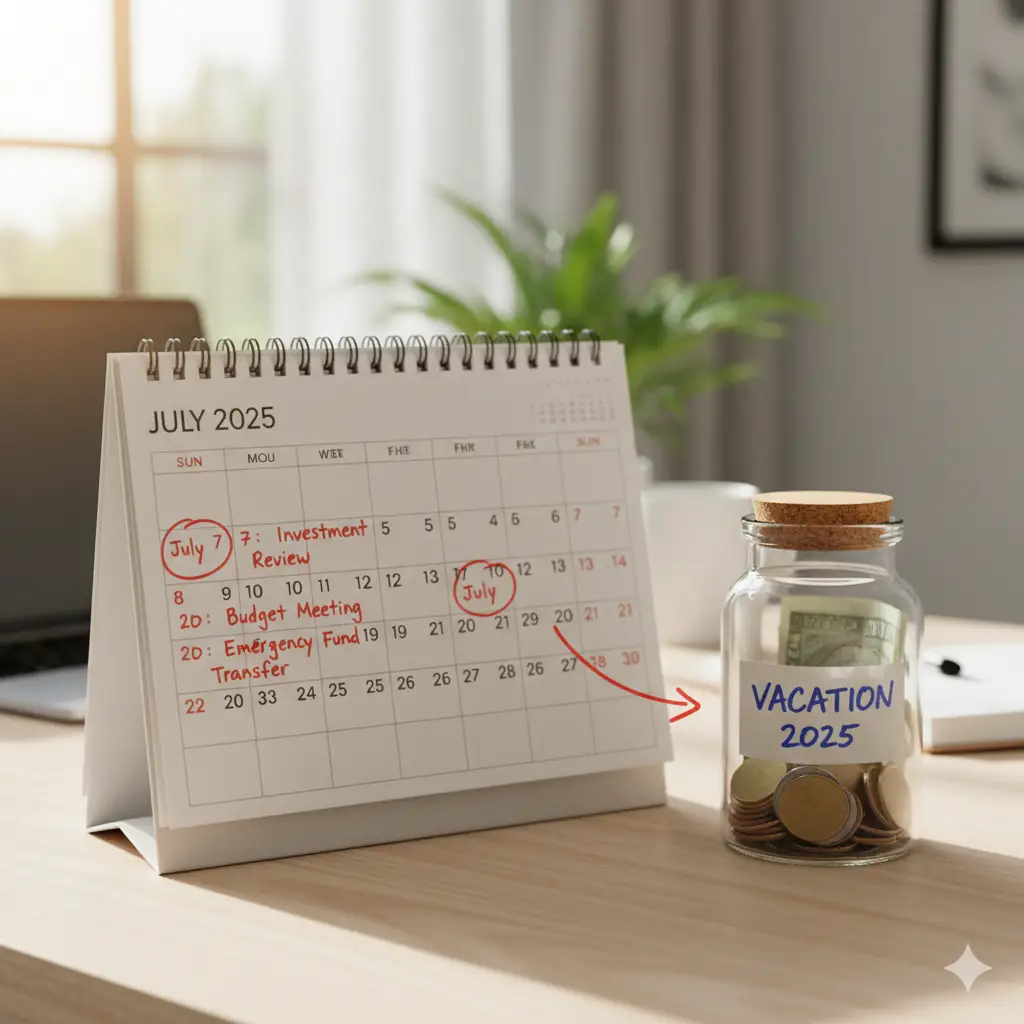
Certain expenses such as holidays, school supplies, or annual memberships are predictable. Setting aside small amounts each month for these costs prevents financial strain when they arrive.
Planning ahead removes the need for last-minute borrowing or credit card use.
14. Avoiding Lifestyle Inflation

When income increases, many people increase spending automatically. This habit prevents long-term financial growth.
Instead of upgrading everything immediately, increasing your savings rate strengthens your financial position and builds future security.
15. Setting Clear Financial Goals
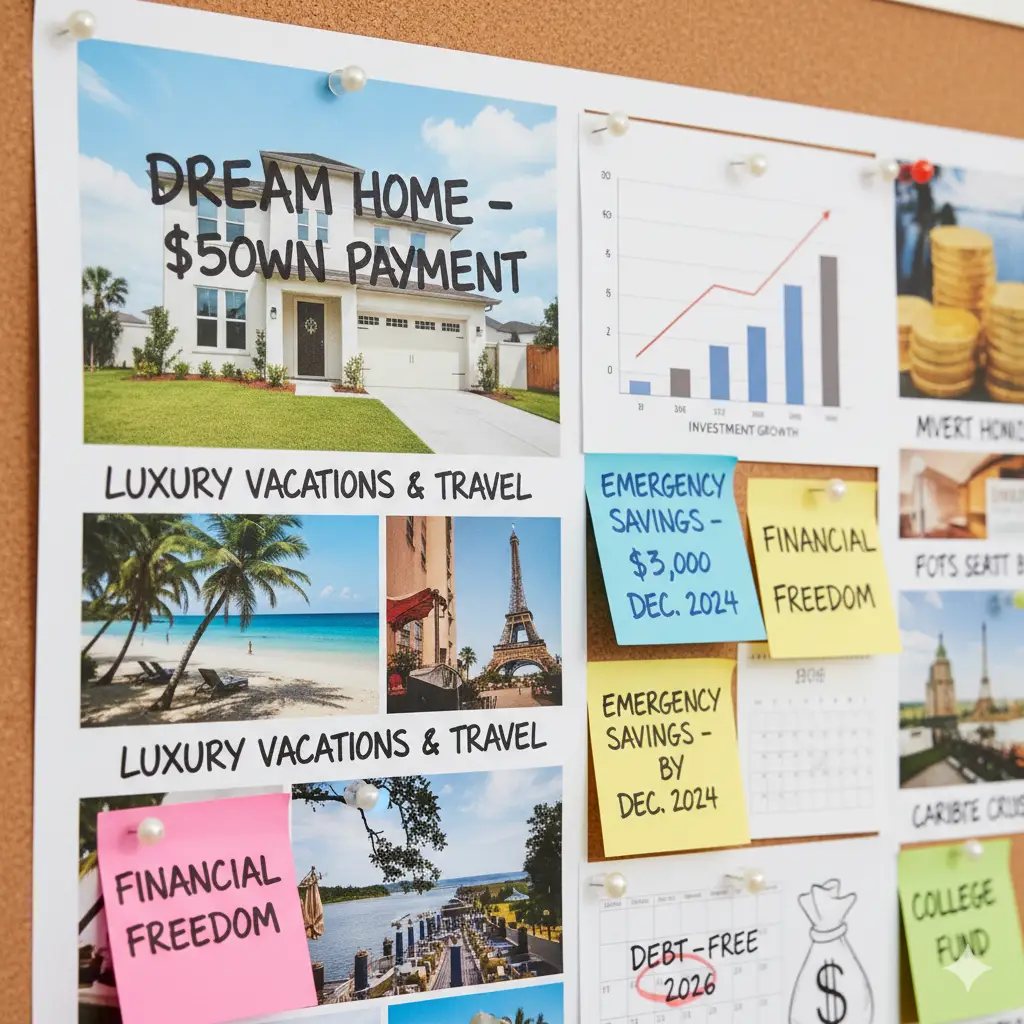
Saving without a goal can feel unmotivating. Defining clear financial goals gives purpose to your efforts.
Whether you aim to travel, purchase a home, or achieve financial independence, having a specific target keeps you focused and consistent.
16. Reviewing Expenses Regularly

Financial situations change over time. Reviewing your expenses monthly helps identify unnecessary costs and areas for improvement.
This ongoing evaluation ensures that your money saving methods remain effective and aligned with your goals.
17. Buying Quality Over Quantity

While it may seem cheaper to buy low-cost items, poor-quality products often require replacement sooner. Investing in durable, high-quality items can save money long term.
Spending wisely upfront prevents repeated expenses in the future.
18. Limiting Online Shopping

Online shopping makes spending easy and instant. Reducing browsing time and removing saved payment details adds a helpful pause before purchases.
Creating intentional barriers reduces impulse buying and protects your budget.
19. Learning Basic Financial Education

Understanding how interest, credit, and investments work empowers you to make better decisions. Financial literacy is one of the most powerful money saving methods available.
The more you understand money management, the more confident and strategic your choices become.
20. Staying Consistent and Patient

Saving money is not about extreme sacrifices. It is about consistency and gradual improvement.
Even small monthly savings grow significantly over time. Patience, discipline, and smart habits create lasting financial stability.
Final Thoughts
Money saving methods are not complicated, but they require commitment and awareness. The key is building habits that align with your financial goals and maintaining them consistently.
Start small. Choose a few methods that fit your lifestyle and implement them gradually. Over time, these small changes will transform your financial situation and give you greater confidence in managing your money.
Saving money is not just about reducing expenses. It is about creating freedom, security, and opportunities for your future.