

Disclaimer: The information provided in this article is for educational and informational purposes only and should not be considered financial, investment, tax, or legal advice. Earnings from side hustles vary widely and are not guaranteed. Always do your own research before starting any new income stream.
Introduction

Extra money rarely arrives on its own. Usually it starts with something small and practical: paying down a card a little faster, building a cushion for the next surprise bill, or saving toward a goal that keeps getting pushed back. A side hustle fits into that space. It does not have to replace your job, and it does not have to take over your evenings.
You also do not need a business degree, a big budget, or a polished plan before you begin. A phone, an internet connection, and a few free hours are enough for plenty of the ideas below. What matters more is picking something you will actually stick with for a few weeks, not just something that sounds impressive on paper.
Here are 25 beginner-friendly side hustle ideas, grouped by the kind of work involved. Each one explains what it takes, how to get started, and who it tends to suit, so you can compare them honestly and choose one that fits your time, skills, and budget.
Sell What You Already Have

1. Sell Unused Items Online
Start with what is already in your home. Go through your closet, garage, and storage bins for clothing, electronics, tools, or furniture you no longer use, then list them on marketplace and resale apps. Clear photos and honest descriptions do most of the work, and items in good condition at a fair price tend to sell fastest. Nothing new needs to be created, which is why this is often the quickest way to bring in cash. Best for: anyone needing quick cash with zero upfront cost.
2. Flip Thrift Store Finds
Once your own things are sold, you can keep going with retail flipping: buying underpriced items at thrift stores, garage sales, or on clearance racks and reselling them online for a profit. Branded clothing, furniture, and vintage collectibles tend to do well, but it pays to research what actually resells before you buy. It takes a small upfront investment, and many flippers start seeing consistent profit within their first few months. Best for: people who enjoy hunting for deals and do not mind a small upfront investment.
3. Sell Handmade Crafts
If you knit, sew, make candles or jewelry, or create other handmade goods, platforms built for handmade products can turn that hobby into income. Start with just a handful of listings, photograph products in natural light, and price them to cover both materials and your time. Growth is usually gradual, built on repeat customers and word of mouth rather than one big launch. Best for: crafty people who already enjoy making things by hand.
4. Sell Digital Products
Printables, planners, templates, spreadsheets, and other digital downloads can be created once and sold again and again, with no inventory, packaging, or shipping to manage. Budget planners, meal-planning templates, and productivity trackers are popular examples. The real work is upfront: making a polished product people actually want to use. It suits anyone comfortable with basic design tools such as Canva. Best for: people who like creating something once and selling it repeatedly.
Freelance & Skill-Based Work

5. Freelance Writing
Blogs, businesses, and agencies constantly need written content, from blog posts to product descriptions and email newsletters. Clear writing and meeting deadlines matter more than formal credentials here. Even a small portfolio helps, and samples you write yourself can be enough to land those first clients. Best for: people who write clearly and can stick to a deadline.
6. Virtual Assistant Work
Business owners, especially small business owners and online entrepreneurs, often need help with email management, scheduling, data entry, and basic customer service. No prior experience is typically required; being organized and communicating well is usually enough to get started. Begin with one client and grow by reputation. Best for: organized people who communicate well.
7. Social Media Management
Small businesses frequently do not have the time or knowledge to manage their own social media presence, so they hire someone to handle content planning and posting schedules. You can start with a local business or a friend’s shop to build a portfolio, and much of the skill can be learned from free tutorials. Over time, it can become steady monthly income per client. Best for: people who enjoy social media and planning content.
8. Graphic Design
There is consistent demand for logos, social media graphics, flyers, and marketing materials. Canva makes it possible to start without formal training, and learning Adobe tools later can open higher-paying work. A sample portfolio, even a small one, helps clients see what you can do. Best for: people with an eye for design who want to build a creative skill.
9. Proofreading and Editing
If you have a sharp eye for grammar, spelling, and clarity, proofreading is a flexible and often overlooked option. Writers, students, bloggers, and businesses all need a second pair of eyes, and no special equipment is required. You can work on your own schedule, which makes it easy to fit around other commitments. Best for: detail-oriented readers with a sharp eye for language.
10. Online Tutoring
Whether it is math, science, test prep, or a language you speak fluently, online tutoring platforms connect tutors with students who need help. You set your own rate and availability, and early positive reviews tend to increase bookings. It is a good fit if you enjoy explaining things and can be patient with learners. Best for: people who know a subject well and enjoy teaching it.
11. Bookkeeping for Small Businesses
Many small business owners would rather focus on running their business than managing their own finances, so they hire help with tracking income and expenses and preparing simple financial reports. You do not need to be a certified accountant; free or low-cost online courses can teach the fundamentals. Done well, it becomes steady, recurring monthly income, and it suits detail-oriented people who are good with numbers and spreadsheets. If this world interests you, our 33 Small Business Ideas for Startups (Complete Guide) is a useful next read. Best for: detail-oriented people who are good with numbers.
Gig Economy & Local Services
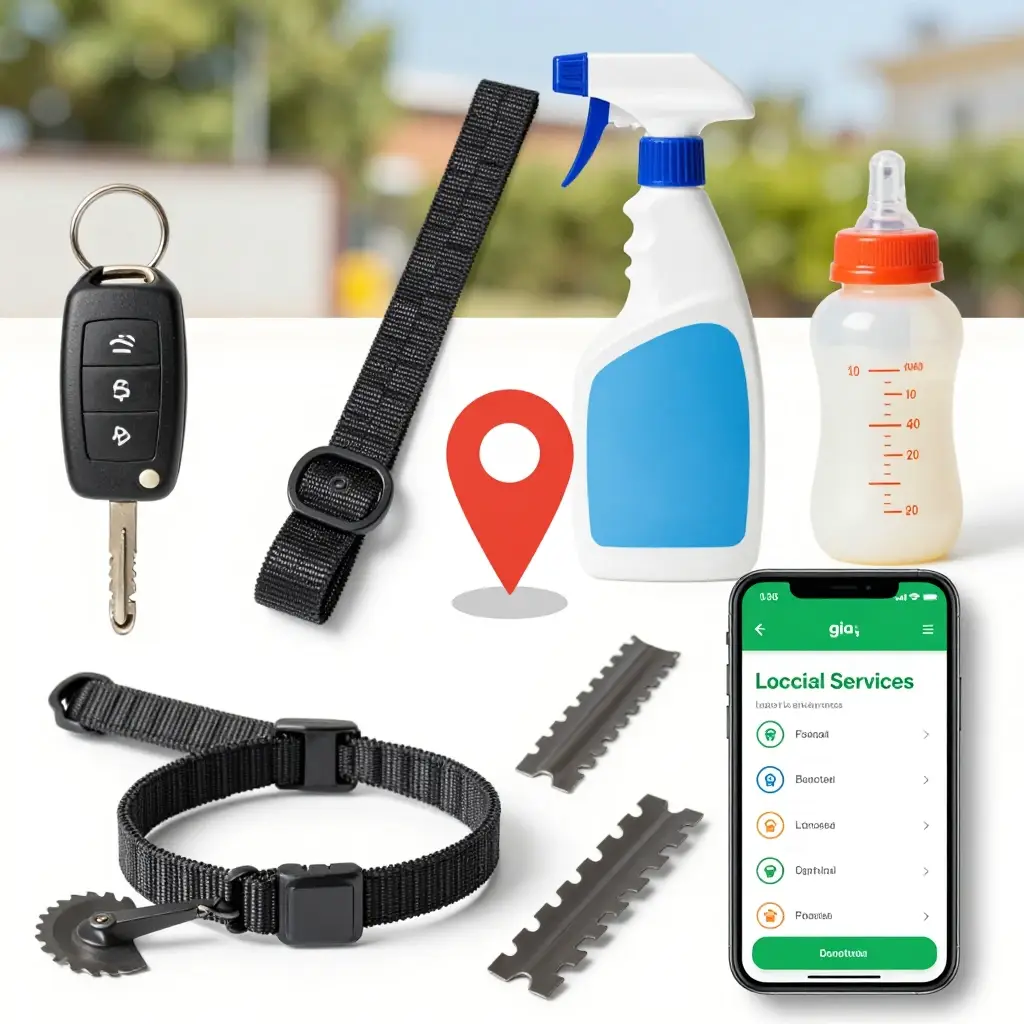
12. Rideshare or Delivery Driving
Driving for rideshare or food delivery apps is one of the fastest ways to start earning, often within a day or two, using a vehicle you already own. Hours are fully flexible, which is a big part of the appeal. Just factor in vehicle wear, fuel or gas, and maintenance when working out what you really earn, and make sure you have a reliable vehicle and a valid driving license. Best for: people with a reliable car who want flexible hours.
13. Pet Sitting or Dog Walking
If you love animals, pet care platforms connect you with local owners who need walks, feeding visits, or overnight sitting. Certification is typically not required. Reliability and genuine care matter most, and they are also what turn a one-off booking into loyal repeat clients. Best for: animal lovers who are reliable and patient.
14. House Cleaning
Cleaning services remain consistently in demand across nearly every neighborhood, and you can start with basic supplies you likely already own. A local client base built through word of mouth and community groups can turn into recurring weekly or biweekly income. It helps to have physical stamina, but no formal training is required. Best for: people who like hands-on, physical work close to home.
15. Yard Work or Landscaping
Simple seasonal services like mowing lawns, raking leaves, trimming hedges, or basic landscaping can be steady, especially in spring and fall. Start-up costs are low if you already own basic tools, and a route of regular neighborhood clients gives you predictable, recurring income. Just remember that demand shifts with the seasons. Best for: people who enjoy working outdoors and want regular local clients.
16. Moving Help
Helping people load, unload, or transport items during a move is physically demanding, but it often pays well by the hour, especially on weekends. Clients can be found through moving-help platforms or community groups. It is not glamorous work, but it is straightforward, and busy moving days mean bookings tend to come in clusters. Best for: physically strong people who want well-paid weekend work.
17. Babysitting or Childcare
Babysitting remains a classic, steady side hustle, especially in the evenings and on weekends when many parents need help. Trust built with a few regular families leads to consistent bookings. Basic first-aid knowledge and clear communication with parents about expectations go a long way toward building that reputation. Best for: trustworthy people who are good with children.
Online & Remote Opportunities

18. Sell Photos Online
If you enjoy photography, stock photo platforms pay for high-quality, useful images that businesses, bloggers, and marketers license for their own content. Lifestyle, food, nature, and business imagery are popular. There is some upfront learning about what buyers actually want, but photos you have already taken on your phone or camera can be a starting point. Best for: photographers and hobbyists with a good eye.
19. Start a Blog
Blogging takes longer to build than most side hustles on this list, often several months before meaningful income appears. It can earn through ads, affiliate marketing, and sponsored content, similar to the strategies covered in our passive income guide. The upfront work is publishing consistent, valuable content in a specific niche, and that content can keep earning long after it is published. Best for: patient writers willing to build slowly.
20. Print-on-Demand Products
Design graphics for t-shirts, mugs, tote bags, or other products, and a third-party print-on-demand service prints, packs, and ships each order for you. There is no inventory and no upfront product cost: you upload designs and earn a margin on each sale. Success usually comes from serving a specific niche well, not from generic designs that try to appeal to everyone. Best for: designers with a clear niche in mind.
21. Online Surveys and Market Research
While not a major income source, survey and market research platforms offer an easy, low-effort way to earn small amounts in spare moments, such as while waiting in line or watching TV. It adds up over time, and there is essentially no learning curve. Just go in with realistic expectations: this is pocket money, not a replacement income. Best for: anyone wanting easy, low-effort earnings in spare moments.
22. Transcription Work
Transcription involves converting audio or video recordings into accurate written text, and it is in demand from podcasts, interviews, legal proceedings, and business meetings. You need fast, accurate typing, a computer, and good headphones. Starting with general work and later moving into higher-paying legal or medical specialisms is a sensible path. Best for: fast, accurate typists who can concentrate for long stretches.
23. Social Media Content Creation
Brands increasingly hire everyday creators, not just large influencers, to produce short-form video marketing. Paid brand partnerships are possible even with a modest following, and consistent posting in a clear niche tends to attract brands faster than scattered content. It helps if you are comfortable on camera and enjoy making videos regularly. Best for: creators comfortable posting short-form video consistently.
24. Customer Service Chat Support
Many companies hire remote workers for live chat or email-based customer support roles, which often come with flexible scheduling. No specific degree is required. The main requirements are strong written communication and patience, and roles range from contract work to structured part-time remote positions. Best for: patient communicators who write clearly.
25. Renting Out What You Own
Whether it is a spare room, a parking spot, tools, camera equipment, or even your car during hours you are not using it, renting out what you already own can be relatively passive. The upfront work is a clear listing and fair pricing. After that, it mostly runs itself between bookings. Best for: people with spare space or equipment they rarely use.
How to Choose the Right Side Hustle for You
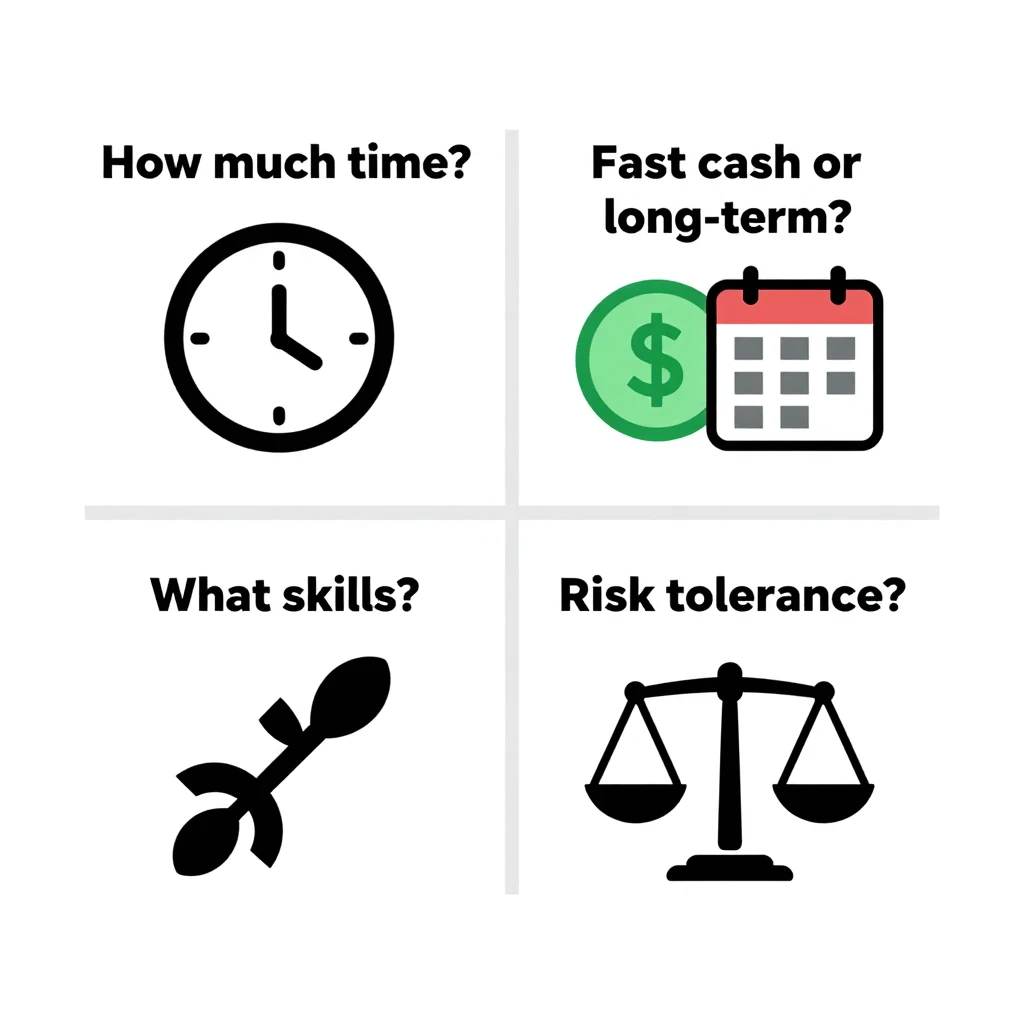
With so many options, here is how to narrow it down:
- How much time do you actually have? Be realistic. A side hustle that requires 20 hours a week will not last if you only have 5 free hours.
- Do you want fast cash or long-term income? Gig work (driving, cleaning, selling items) pays quickly. Blogging or freelance skill-building pays off more slowly but can scale higher. If a higher daily target is your focus, see 6 Real Ways to Make $500 A Day.
- What skills do you already have? Start with something you are already good at. It shortens the learning curve significantly.
- What is your risk tolerance? Service-based hustles have little to no upfront cost, while selling products may require some initial investment.
Tips for Side Hustle Success

- Start with one, not five. Spreading yourself across multiple side hustles at once often leads to burnout with little to show for it.
- Track your earnings separately from your main income so you can see your progress and plan for any tax obligations.
- Set a specific goal for the extra money, whether it is debt payoff, an emergency fund, or a sinking fund goal, to stay motivated.
- Treat it like a real commitment, even if it is part-time. Consistency is what turns a side hustle into meaningful income.
- Reinvest wisely. If a hustle starts generating steady income, consider putting a portion back into growing it, or into learning how to make that money work harder. See How To Turn $1,000 Into $10,000 for ideas on the latter.
Final Thoughts
You do not need the perfect side hustle. You need one that fits your schedule and skills right now, whether that means clearing out a closet for quick cash or building a freelance skill over a few months.
Pick one, set a clear goal for the money, and give yourself 30 days to see whether real momentum builds. Small, steady progress beats waiting for the ideal moment.
For real stories of people who turned tiny ideas into real income, The $100 Startup by Chris Guillebeau is well worth a read.