

You get paid. That paycheck hits your account, and for a moment, everything feels right. You pay your bills, grab coffee a few times, order dinner because you’re too tired to cook, and maybe buy that thing you’ve been eyeing on Amazon. Then suddenly, two weeks later, you’re checking your bank balance like, “Wait… where did everybody go?”
Relatable? Yeah. I’ve been there more times than I’d like to admit.
Here’s the thing I learned after years of messing up: smart money habits save money way better than any fancy app or complicated budget ever will. You don’t need to be a math genius. You don’t need spreadsheets color-coded by category. You just need a few simple habits that work quietly in the background while you actually enjoy your life.
I’ve tested these myself. I’ve failed at some—spectacularly. I’ve nailed others. And now I’m sharing the ones that actually stick. Not as a “finance expert,” but as a friend who’s been where you are.
Let’s talk money like friends do—real, raw, and without judgment. Because you deserve to feel peaceful about your money, not anxious. And trust me, it’s simpler than you think.
Why Your Income Isn’t the Problem (And Your Habits Are)

Here’s a truth bomb that might sting a little: earning more money doesn’t automatically fix your money problems.
Sounds crazy, right? But I’ve met people pulling in six figures who are still stressed every month. And I’ve met people earning average salaries who sleep peacefully because they’ve got their stuff together.
The difference? Habits. Not income.
Smart money habits save money because they:
- Remove guesswork – You stop wondering “Can I afford this?” every five minutes
- Plug small leaks – Those daily little spends that somehow add up to hundreds
- Run on autopilot – No willpower battles every single day
See, motivation is overrated. It comes and goes. But habits? They stick around even on your lazy days.
Pay Yourself First (Before the World Takes Its Cut)
Here’s what most people do:

Paycheck arrives → Pay rent → Pay bills → Buy stuff → Order food → Oops, month isn’t over yet → Save whatever’s left (spoiler: nothing’s left)
I did this for years. And every month I’d wonder why I never had anything saved.
Then someone told me: stop paying everyone else first. Pay yourself first.
What does that mean?
The moment your money hits your account, before you pay anyone else, you move a chunk to savings. Treat it like your most important bill. Because honestly? It is.
Here’s how I actually do it:
- I set up an automatic transfer for 15% of my paycheck (yes, automated, so I don’t have to “decide” every time)
- It moves to a separate account I don’t check daily
- I live off whatever’s left
Does it feel tight at first? Absolutely. The first month I tried this, I panicked. But here’s the weird thing: after about two pay cycles, I stopped noticing. I just adjusted. And my savings grew without me lifting a finger.
Your future self will literally thank you for this one.
Track Your Money (Without Becoming a Spreadsheet Nerd)

I hate budgets.
There. I said it.
Every time I tried a strict budget, I rebelled. I’d stick to it for a week, then binge-spend just to feel alive again. It was a mess.
So I stopped budgeting and started tracking.
Different vibe entirely.
Tracking just means watching where your money goes—without judgment, without restriction. Just watching.
Here’s what tracking looks like for me:
- Once a week (Sunday works great), I open my bank app
- I scroll through transactions
- I mentally note where money went
That’s it. No spreadsheet. No categories. Just awareness.
And wow… the things I noticed. Random Amazon purchases I forgot about. Subscriptions I hadn’t touched in months. Late night food orders that made zero sense the next morning.
Smart money habits save money because awareness alone changes behavior. You don’t need to force yourself. You just need to see.
Try it for two weeks. Don’t change anything yet. Just watch. You’ll be shocked what you discover.
Those “Small” Expenses? They’re Not Actually Small
Let me ask you something.
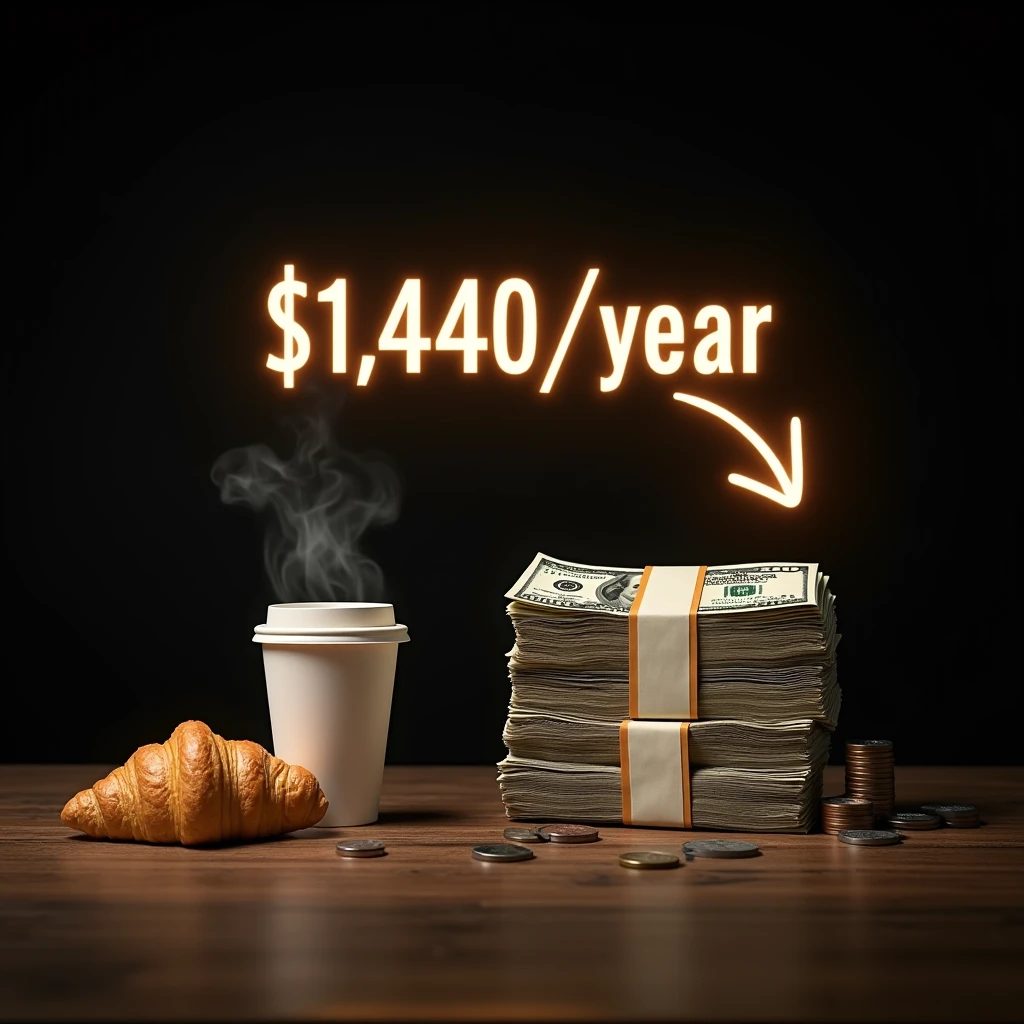
That daily coffee? That quick snack from the gas station? That “it’s only five bucks” app? The takeout because you’re tired?
Feel small in the moment, right?
Now do the math.
- $6 coffee × 5 days a week = $30/week
- $30/week × 4 weeks = $120/month
- $120/month × 12 months = $1,440 a year
On coffee. Alone.
I’m not saying never buy coffee. I’m saying let’s be real about what “small” actually means.
Try this instead:
- Pick one small expense to cut for 30 days (just one)
- Put that money somewhere you’ll see it
- Watch it add up faster than you expected
I did this with takeout. Cut it for one month. Saved almost $200. Didn’t even miss it after week two.
Subscriptions Are Eating Your Wallet (And You Don’t Even Know It)
Okay, real talk.
When did we all decide to subscribe to everything?
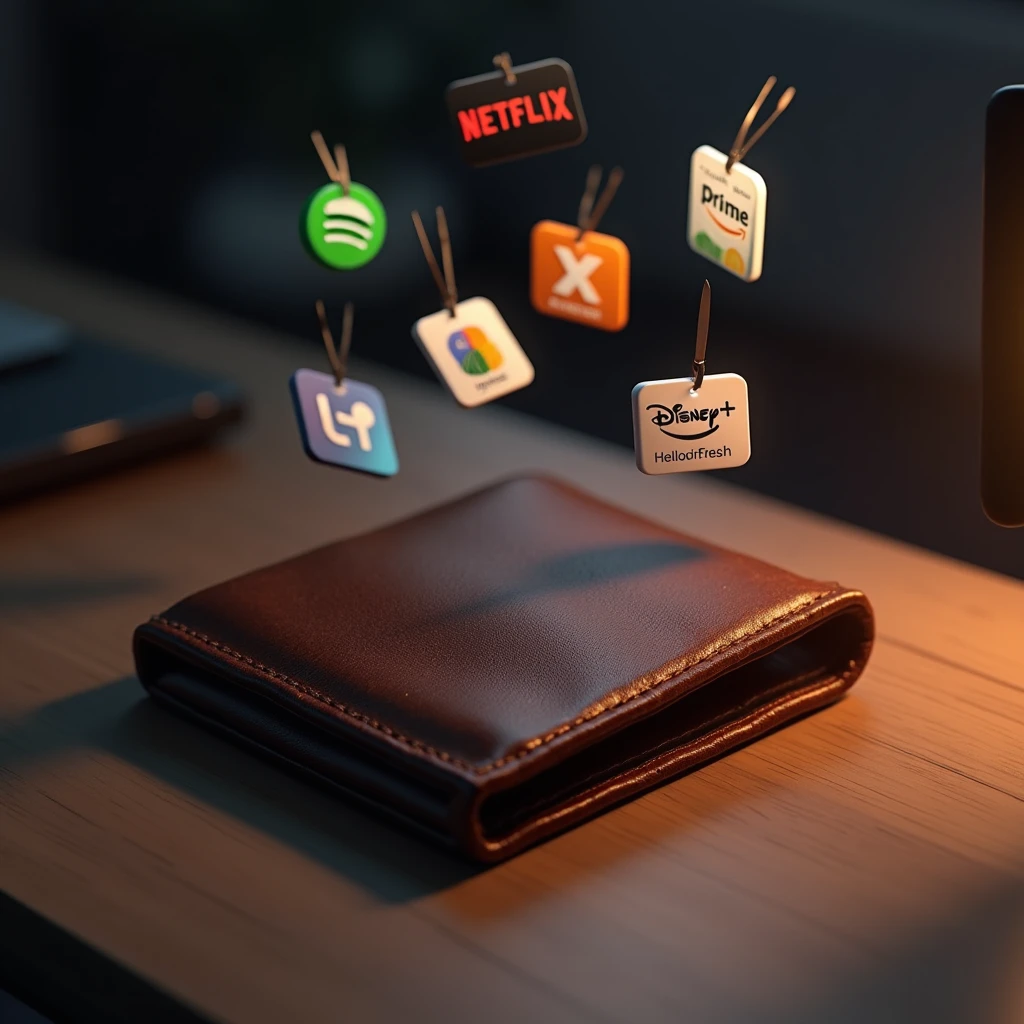
Netflix. Spotify. Amazon Prime. Disney+. HelloFresh. Calm. Headspace. Some random app you downloaded once. A gym membership you haven’t used since last year. That “deal” you signed up for and forgot to cancel.
$9.99 here. $14.99 there. Feels like nothing. But add it up?
I once calculated mine and nearly choked. Sixteen subscriptions. Sixteen. I was paying for apps I literally hadn’t opened in months.
Here’s your mission (should you choose to accept it):
- Sit down with your bank statement
- Find every single subscription
- Ask yourself: “Did I use this in the last 30 days?”
- Cancel everything you forgot existed
Do this every 90 days. Seriously. Mark it on your calendar.
Companies count on you forgetting. Don’t let them win that easy money.
The 24-Hour Rule (Game Changer)

Impulse buying is my weakness. Always has been.
See something. Want something. Buy something. Regret something later.
Sound familiar?
Here’s the hack that changed everything for me: The 24-Hour Rule.
It’s simple:
- Want something that’s not a necessity?
- Wait 24 hours.
- If you still want it tomorrow, buy it.
That’s it.
You’d be amazed how many things lose their magic overnight. That jacket you had to have? Meh. That gadget that would change your life? Suddenly seems silly.
Smart money habits save money by creating space between wanting and buying. And in that space? Clarity happens.
I’ve saved literally hundreds of dollars this way. On stuff I’m now glad I never bought.
Make Saving Boring (That’s The Secret)

Here’s something nobody tells you: the best money habits are boring.
No excitement. No thrill. Just quiet consistency.
Because exciting money moves? They’re usually risky. The latest crypto craze. That “can’t miss” investment tip. The meme stock everyone’s talking about.
Boring wins every time.
Boring looks like:
- Same savings transfer every paycheck
- Same simple investments every month
- Same habits whether you feel motivated or not
Boring builds wealth. Exciting builds anxiety.
I stopped chasing “get rich quick” stuff years ago. Now I just do the boring stuff consistently. And somehow, my bank account keeps growing. Funny how that works.
Talk About Money (Yes, Really)

Last one, and this might feel weird.
We don’t talk about money. It’s uncomfortable. Taboo, almost. We’ll talk about relationships, drama, work stress—but money? Silence.
That silence keeps us stuck.
Because when you don’t talk about money, you think everyone else has it figured out. You think you’re the only one struggling. You make mistakes alone and learn nothing from anyone else.
Try this instead:
- Talk to a friend about what’s working for them
- Ask your parents how they handled money (their stories are gold)
- Share what you’re learning (teaching others helps you learn too)
I started talking to my partner about money regularly. Game. Changer. We’re on the same page now. No more stress. No more secrets.
Smart money habits save money—and sharing them saves even more.
Start Small. Like, Really Small.

Here’s where most people mess up:
They read a post like this, get fired up, and try to change everything at once. New budget. New tracking system. Cut all expenses. Save aggressively. Invest smarter.
Then they burn out in two weeks and go back to old habits.
Don’t be that person.
Pick ONE thing from this list:
- Set up that automatic transfer
- Do one subscription audit
- Try the 24-hour rule for a week
- Track your spending for 15 minutes
Just one. Master it. Then add another.
Money is a marathon, not a sprint. The people who win? They’re not the ones who run fastest at the start. They’re the ones who keep showing up, month after month, year after year.
Bottom Line

Look, I’m not perfect with money. I still overspend sometimes. I still order takeout when I shouldn’t. I still buy things I don’t really need.
But these habits? They keep me from going off the rails. They save me from myself on my weakest days. And over time, they’ve done more for my bank account than any “hack” or “trick” ever did.
Smart money habits save money because they work whether you feel like it or not.
Start today. Pick one thing. And let your future self thank you.
Which habit are you starting with? Drop it in the comments—I’d love to hear what works for you! And if this helped, share it with someone who needs to read it.
Conclusion
Look, I’m not perfect with money. I still overspend sometimes. I still order takeout when I’m tired. I still buy things I don’t really need.
But here’s what I’ve learned: progress, not perfection.
You don’t need to change everything overnight. Just pick one habit from this list. Maybe it’s paying yourself first. Maybe it’s the 24-hour rule. Try it for 30 days.
Watch what happens. Your stress will fade. Your savings will grow. And you’ll realize—you can do this.
Start small. Like, really small.
Your future self is cheering for you.