


Managing money wisely is not just about how much you earn, but how well you manage what you already have. Many people struggle financially even with decent incomes because they lack a clear system and consistent habits. The truth is, financial stability does not happen by accident it is built through small, smart decisions repeated over time.
In today’s fast-paced world, spending has become easier than ever. Online shopping, subscriptions, digital payments, and lifestyle pressure often push people to spend without thinking twice. Without realizing it, small daily expenses slowly drain savings and create long-term financial stress. That is why learning practical financial life hacks can completely change the way you handle money.
The good news is that improving your financial situation does not require drastic sacrifices or complicated strategies. Simple, realistic habits like budgeting, saving consistently, and avoiding impulse purchases can create powerful results. In this article, you will discover 25 practical financial life hacks that can help you reduce stress, increase savings, and build long-term financial security.
1. Create a Clear Monthly Budget

A budget is the foundation of financial stability. Without one, it becomes easy to overspend without realizing it.
When you outline your income, fixed expenses, and variable spending categories, you gain clarity and control. A strong budget does not restrict you; it empowers you. It ensures your essential needs are covered while helping you plan for savings and future goals.
2. Pay Yourself First
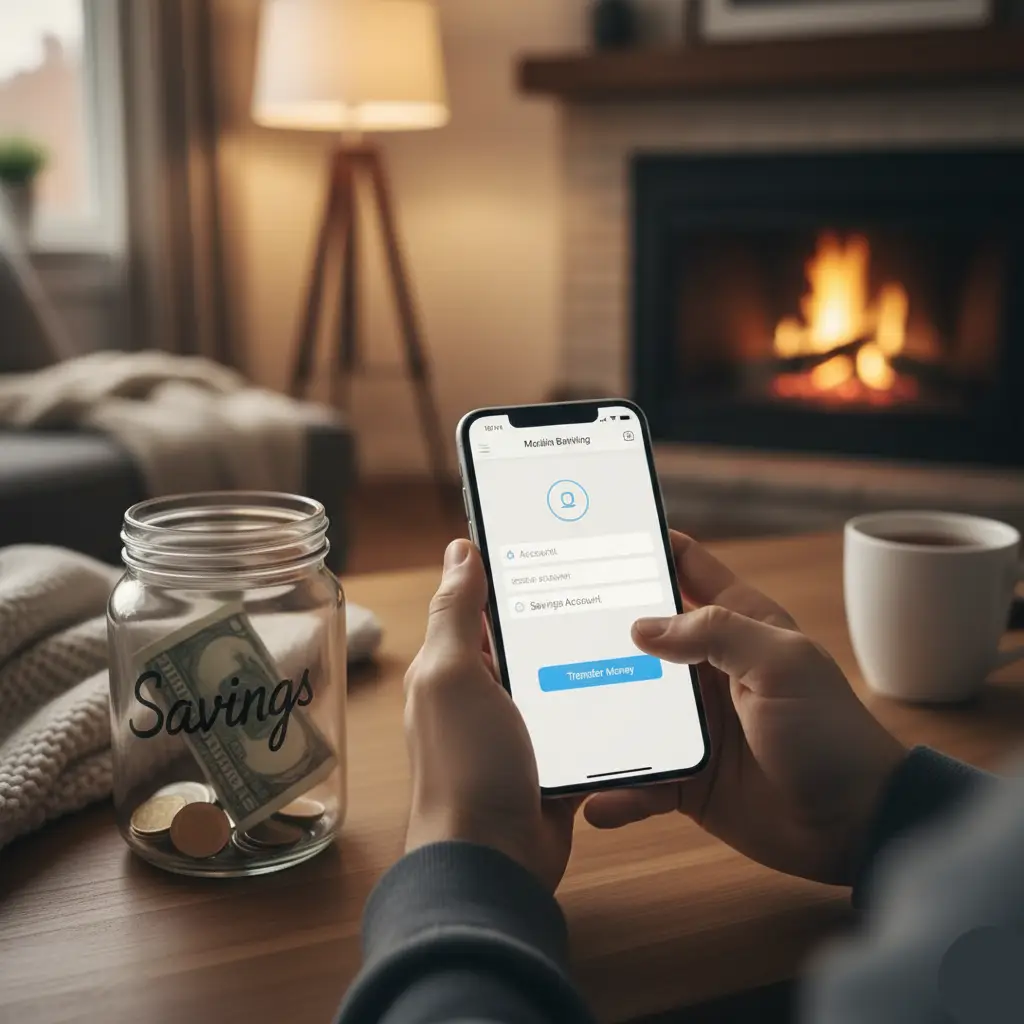
One of the most effective financial life hacks is saving before spending. Instead of waiting to see what remains at the end of the month, move a percentage of your income directly into savings as soon as you receive it.
This simple shift makes saving automatic and removes the temptation to spend everything first.
3. Track Every Expense for Awareness

Most people underestimate how much they spend daily. Tracking every purchase, even small ones, increases awareness and exposes unnecessary habits.
Once you clearly see where your money goes, it becomes easier to adjust spending and eliminate waste.
4. Use the 24-Hour Rule for Non-Essential Purchases

Impulse buying can damage even a well-planned budget. Waiting 24 hours before purchasing non-essential items creates distance between emotion and action.
In many cases, the desire fades, and you realize the item was not necessary.
5. Build a Strong Emergency Fund

Unexpected expenses such as medical bills or car repairs can create financial setbacks. An emergency fund protects you from relying on high-interest credit.
Even saving small amounts regularly builds a safety net that provides peace of mind and financial confidence.
6. Break Monthly Goals into Weekly Targets

Large financial goals can feel overwhelming. Breaking them into weekly targets makes them manageable and easier to track.
Smaller milestones create motivation and allow you to measure progress more consistently.
7. Reduce Small Daily Expenses

Daily spending habits often go unnoticed. Frequent coffee purchases, snacks, or subscription renewals may seem small but add up significantly over time.
Making minor adjustments in these areas can free up a surprising amount of money each month.
8. Plan Meals Before Grocery Shopping

Grocery shopping without a plan often leads to impulse buying and food waste. Planning meals in advance helps control spending and ensures you only buy what you need.
This habit not only saves money but also reduces stress during busy weekdays.
9. Avoid Lifestyle Inflation

When income increases, many people automatically increase spending. While upgrading your lifestyle feels rewarding, it often prevents long-term financial growth.
Instead, increase your savings rate whenever your income rises.
10. Review Subscriptions Regularly

Subscription services can quietly drain your budget. Streaming platforms, apps, and memberships often continue unnoticed.
Reviewing and canceling unused subscriptions is one of the easiest ways to free up extra cash.
11. Focus on High-Interest Debt First

Debt with high interest rates costs you more over time. Prioritizing these balances reduces financial pressure and saves money in the long run.
Clearing expensive debt increases cash flow and improves financial flexibility.
12. Set Specific and Meaningful Financial Goals

Saving without a purpose feels difficult. Whether your goal is buying a home, traveling, or achieving financial independence, clarity increases commitment.
Specific targets provide motivation during moments of temptation.
13. Separate Needs from Wants

Learning to distinguish essential expenses from lifestyle choices strengthens decision-making. Needs support survival and stability, while wants add comfort.
Balancing both wisely ensures financial growth without extreme restriction.
14. Automate Bill Payments

Late fees and missed payments create unnecessary expenses. Automating bills ensures payments are made on time and reduces mental stress.
This method also improves credit health and financial organization.
15. Use Cash for Overspending Categories

If you frequently overspend in areas like dining or shopping, switching to cash can increase discipline. Physically handling money makes spending more intentional.
Once the allocated amount is gone, spending stops naturally.
16. Monitor Your Net Worth

Tracking your total assets minus liabilities gives a clear picture of financial progress. Watching your net worth grow can be motivating and encouraging.
This practice shifts focus from short-term spending to long-term wealth building.
17. Buy Quality Over Quantity

Cheaper items often require frequent replacement. Investing in durable, high-quality products reduces long-term costs and improves value.
Smart purchasing decisions prevent repetitive spending.
18. Learn Basic Financial Education

Understanding how interest, investments, and credit systems work protects you from costly mistakes. Financial knowledge is one of the most powerful life hacks available.
The more informed you are, the stronger your financial decisions become.
19. Lower Utility Usage at Home

Small actions such as adjusting thermostats and turning off unused lights reduce monthly bills. Energy efficiency saves money steadily over time.
Consistent habits make a noticeable difference annually.
20. Sell Unused Items

Decluttering your home can generate extra income. Items you no longer use may hold value for someone else.
Turning unused belongings into cash supports savings goals without additional work hours.
21. Increase Savings Gradually

You do not need to save large amounts immediately. Gradually increasing your savings rate strengthens habits without creating financial pressure.
Small increases over time lead to powerful long-term results.
22. Plan for Irregular Expenses

Certain expenses such as holidays, insurance payments, or maintenance costs are predictable. Setting aside small monthly amounts prevents financial shock later.
Preparation reduces reliance on credit during these periods.
23. Practice Mindful Online Shopping

Online shopping makes spending fast and effortless. Removing saved payment details and limiting browsing time reduces impulse purchases.
Adding small barriers creates space for thoughtful decisions.
24. Celebrate Financial Milestones

Recognizing progress keeps motivation strong. Whether you pay off debt or reach a savings goal, celebrating responsibly reinforces positive habits.
Acknowledging achievements builds confidence and consistency.
25. Stay Consistent and Patient

Financial growth rarely happens overnight. Long-term success depends on steady habits rather than extreme short-term actions.
Patience and discipline transform small daily improvements into lasting financial stability.
Final Thoughts
Financial life hacks are not complicated strategies reserved for experts. They are practical adjustments that anyone can apply. The key is consistency. Even implementing a few of these strategies can begin shifting your financial direction.
Money management is a lifelong skill. By staying disciplined, informed, and intentional, you can reduce stress, increase savings, and build the financial future you want.