

How to Stop Overspending
Money disappears quietly. One small online order. One food delivery. One “limited-time” discount. Before you realize it, your salary is gone and you’re wondering how it happened again. Overspending rarely feels dramatic in the moment. It feels normal. Convenient. Even deserved.
The truth is, overspending is not about income level. People at every earning stage struggle with it. Some make more money yet still live paycheck to paycheck. Others earn less but build savings consistently. The difference is not luck. It is awareness, structure, and intentional habits.
If you genuinely want to learn how to stop overspending, this guide will walk you through a practical, realistic, and psychologically smart system. Not extreme budgeting. Not guilt. Not restriction. Just a clear framework that works in real life — especially on a mobile-first world where spending is just one tap away.
What Overspending Really Means

Overspending does not mean buying something expensive.
Overspending means spending beyond your financial plan, values, or priorities.
You can buy a luxury item and still not overspend — if it fits your budget and goals.
You can also buy small daily items and overspend — if they slowly destroy your savings.
Understanding this difference is powerful.
Overspending is not about price.
It is about alignment.
Why Most People Struggle to Control Spending

Before fixing behavior, you must understand the forces working against you.
1. Digital Convenience
Online shopping platforms, food delivery apps, and saved card details remove friction. The brain does not register digital spending the same way it registers cash leaving your hand.
2. Emotional Triggers
Stress, boredom, frustration, loneliness, or even excitement can lead to impulse purchases. Spending becomes emotional relief.
3. Social Comparison
Scrolling through curated lifestyles creates silent pressure. You begin to feel behind, even when you’re financially stable.
4. Lack of Clear Financial Direction
When you don’t have defined money goals, spending becomes your default behavior.
Overspending is not random. It is patterned.
A 15-Step System to Stop Overspending for Good
Now let’s move into the practical framework.
Step 1: Track Every Rupee or Dollar for 30 Days

Awareness creates control.
For the next 30 days, track:
Rent
Groceries
Transportation
Subscriptions
Snacks
Online purchases
Everything
Do not estimate.
Write the real number.
At the end of the month, categorize spending into:
Needs
Wants
Impulse
Most people discover they overspend 15–40% more than they assumed.
That realization alone changes behavior.
Step 2: Define Your Financial Identity

Behavior follows identity.
Instead of saying:
“I’m trying to save money.”
Say:
“I am someone who manages money intentionally.”
When identity shifts, daily decisions feel aligned rather than forced.
Step 3: Build a Flexible Budget, Not a Punishment Plan

Extreme budgets fail.
A balanced structure works better.
Use a simple framework:
50% Needs
30% Wants
20% Savings or Debt
If your income situation requires adjustment, adapt the ratio.
The key rule:
Savings must have a fixed percentage.
Treat it like a non-negotiable bill.
Step 4: Use the 24-Hour Pause Rule

Impulse purchases are emotional decisions.
Before buying non-essential items:
Wait 24 hours.
For larger purchases:
Wait 7 to 30 days.
Most “urgent” wants disappear with time.
Delay protects wealth.
Step 5: Automate Your Savings First

This step is powerful.
The moment your salary arrives:
Transfer savings automatically
Automate investments
Automate debt payments
When savings happen first, you build around what remains.
You cannot overspend money you never see.
Step 6: Create Friction for Spending

Right now, spending is too easy.
Make it harder.
Remove saved cards from websites.
Delete shopping apps.
Unsubscribe from promotional emails.
Turn off sale notifications.
Add steps between desire and action.
Friction kills impulse buying.
Step 7: Identify Your Personal Spending Triggers

Overspending has patterns.
Ask yourself:
Do I spend more when stressed?
Do I shop late at night?
Do I overspend on payday?
Do I buy things after scrolling social media?
Write your triggers down.
Then design alternatives.
Stress → Walk
Boredom → Skill learning
Loneliness → Call a friend
Payday excitement → Transfer to savings immediately
Replacement beats restriction.
Step 8: Separate “Fun Money” Guilt-Free Spending
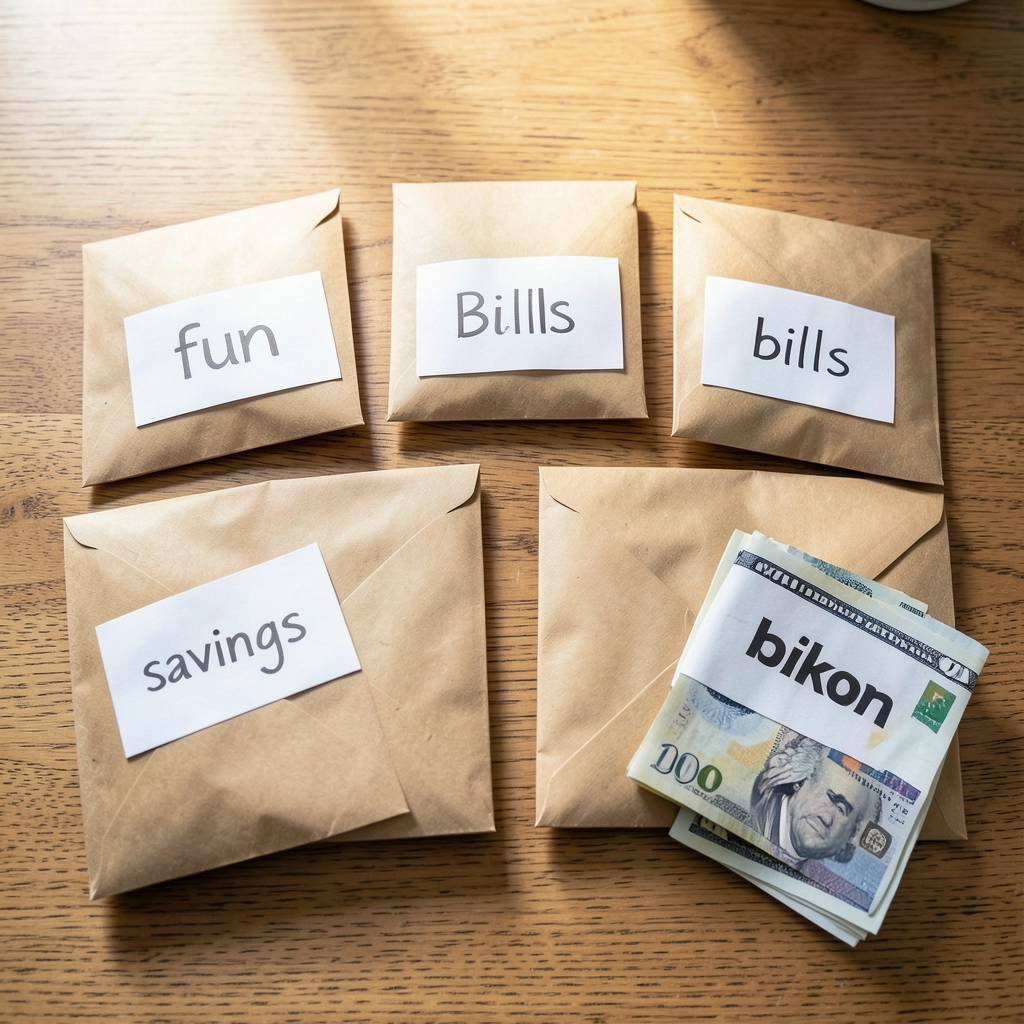
Total restriction backfires.
Instead, allocate a fixed monthly amount for enjoyment.
This can cover:
Dining out
Shopping
Entertainment
Hobbies
When the amount is finished, spending stops.
You enjoy without guilt because it’s planned.
Step 9: Audit Subscriptions Quarterly

Subscriptions drain money quietly.
Streaming services
Fitness apps
Software tools
Memberships
Cancel anything unused for 60 days.
Small monthly charges add up significantly over one year.
Step 10: Set Clear, Emotional Financial Goals

Goals must feel exciting.
Instead of saying:
“I want to save money.”
Say:
“I want $10,000 saved in 12 months for financial security.”
Attach emotion to the number.
Security
Freedom
Travel
Family stability
Business launch
Emotion fuels discipline.
Step 11: Build an Emergency Fund

Unexpected expenses cause panic spending.
Aim for:
3 to 6 months of essential expenses saved separately.
When emergencies happen, you respond calmly instead of swiping a credit card.
Security reduces impulsive decisions.
Step 12: Avoid Lifestyle Inflation

Income increases often lead to lifestyle upgrades.
Better phone
Better car
More dining
Higher rent
Instead:
Increase savings rate first.
Upgrade slowly and intentionally.
One year of controlled lifestyle inflation can dramatically boost long-term wealth.
Step 13: Limit Credit Card Dependency

Credit cards are tools, not income.
If you carry balances:
Switch to debit temporarily.
Lower credit limits.
Freeze unnecessary cards.
Interest payments quietly destroy progress.
Avoid revolving debt whenever possible.
Step 14: Review Finances Monthly

Once per month, schedule a money check-in.
Review:
Income
Spending
Savings rate
Debt reduction
Ask:
Where did I overspend?
What improved?
What needs adjustment?
Small corrections prevent big problems.
Step 15: Reward Progress Without Sabotage

Celebration matters.
But do not undo progress.
If you hit a savings milestone:
Celebrate modestly.
Choose a low-cost reward.
Reflect on your growth.
Positive reinforcement builds long-term habits.
The Psychology Behind Overspending

Understanding the brain helps control it.
Spending activates dopamine.
Dopamine creates short-term pleasure.
But regret follows when financial stress appears.
To break this cycle:
Replace dopamine triggers.
Exercise
Skill building
Social connection
Personal growth
Reading
Creative hobbies
Train your brain to feel good without spending money.
How to Stop Emotional Spending
Emotional spending requires awareness and intervention.
Here is a simple method:
Step 1
Pause when you feel the urge.
Step 2
Name the emotion.
Step 3
Wait 10 minutes.
Step 4
Choose a different action.
Most emotional urges pass quickly when not acted on.
Practical Budgeting Example
Let’s assume a monthly income of $1,000.
Needs – $500
Wants – $300
Savings – $200
If overspending occurs in the “Wants” category, adjustments must happen there — not by cutting savings.
Savings is priority.
Structure creates protection.
How Long Does It Take to Fix Overspending?
Month 1
Awareness feels uncomfortable.
Month 2
You begin noticing triggers.
Month 3
Spending decisions slow down.
Month 4+
New habits feel normal.
Consistency beats perfection.
Missing one month does not mean failure.
Restart immediately.
Signs You’re Finally in Control
You check your bank balance calmly.
You think before purchasing.
You save automatically.
You feel less financial anxiety.
You spend intentionally, not emotionally.
These are powerful shifts.
Common Mistakes That Keep People Stuck
Creating unrealistic budgets
Ignoring small daily expenses
Depending only on willpower
Comparing lifestyles online
Not having savings automation
Quitting after one mistake
Avoid these traps.
The Bigger Picture: Freedom
Overspending steals more than money.
It steals peace.
It steals opportunity.
It steals long-term freedom.
Every dollar saved becomes:
Future security
Investment growth
Reduced stress
Increased options
Financial control builds confidence.
Confidence builds independence.
Final Thoughts

Learning how to stop overspending is not about becoming cheap.
It is about becoming intentional.
When you understand your triggers, build a realistic budget, automate savings, and design friction around spending, you shift from reactive to proactive living.
You stop asking:
“Where did my money go?”
And start deciding:
“Where should my money grow?”
Take the first step today.
Track your spending.
Set one goal.
Automate one savings transfer.
Small actions create massive long-term change.
And once you feel in control of your money, you realize something powerful:
Money was never the problem.
The system was.
Now you have a better one.