

You know that feeling?
You work hard all month. You tell yourself, “This time I’ll be smart. This time I’ll save.” Then you open your banking app three weeks later, and the number staring back at you makes absolutely no sense. You scroll through transactions, squinting at charges you barely remember. Takeout. Random Amazon purchases. Subscriptions you forgot existed. Coffee runs that seemed harmless at the time. And that one question echoes in your head: “Wait… where did everybody go?”
Yeah. I’ve been there. More times than I want to admit. It’s frustrating. It’s confusing. And honestly? It’s embarrassing when you’re too scared to check your balance. But here’s what took me years to figure out: saving money isn’t about being miserable. It’s not about giving up everything you love. It’s not about eating rice and beans every single day. It’s not about becoming that person who says no to every plan, every coffee, every small joy.

Real saving—lasting, actually-works saving—is about small habits. Little systems that work quietly in the background while you actually live your life. I tried all the “expert advice.” Most of it sucked. Some was impossible for normal people. But some of it actually worked. That’s what I’m sharing here. Ideas that take five minutes or a weekend. Things real people use—not theory from gurus who’ve never struggled. So grab whatever you’re drinking. Get comfortable. Let’s talk about 30 ways to save money without making yourself miserable.
Before We Start: Why Most People Fail at Saving

Let me tell you something they don’t teach in school.
Your brain is not designed to save money.
Seriously. Evolution wired us to care about right now—finding food now, staying safe now, enjoying now. The future? That’s abstract. That’s hard for your brain to process.
So when you’re deciding between saving twenty bucks for something that might happen years from now, or ordering pizza tonight, your brain will almost always pick the pizza. It’s not because you’re bad with money. It’s biology.
The solution? You don’t fight your brain. You hack it.
You create systems where saving happens automatically, where spending requires effort, where your future self wins without your present self suffering.
That’s what these thirty ideas are all about.
Part 1: Tech & Subscriptions (The Easy Wins)
Let’s start with stuff you can fix in minutes. No lifestyle changes. No suffering. Just quick wins.
1. Actually Check Your Subscriptions
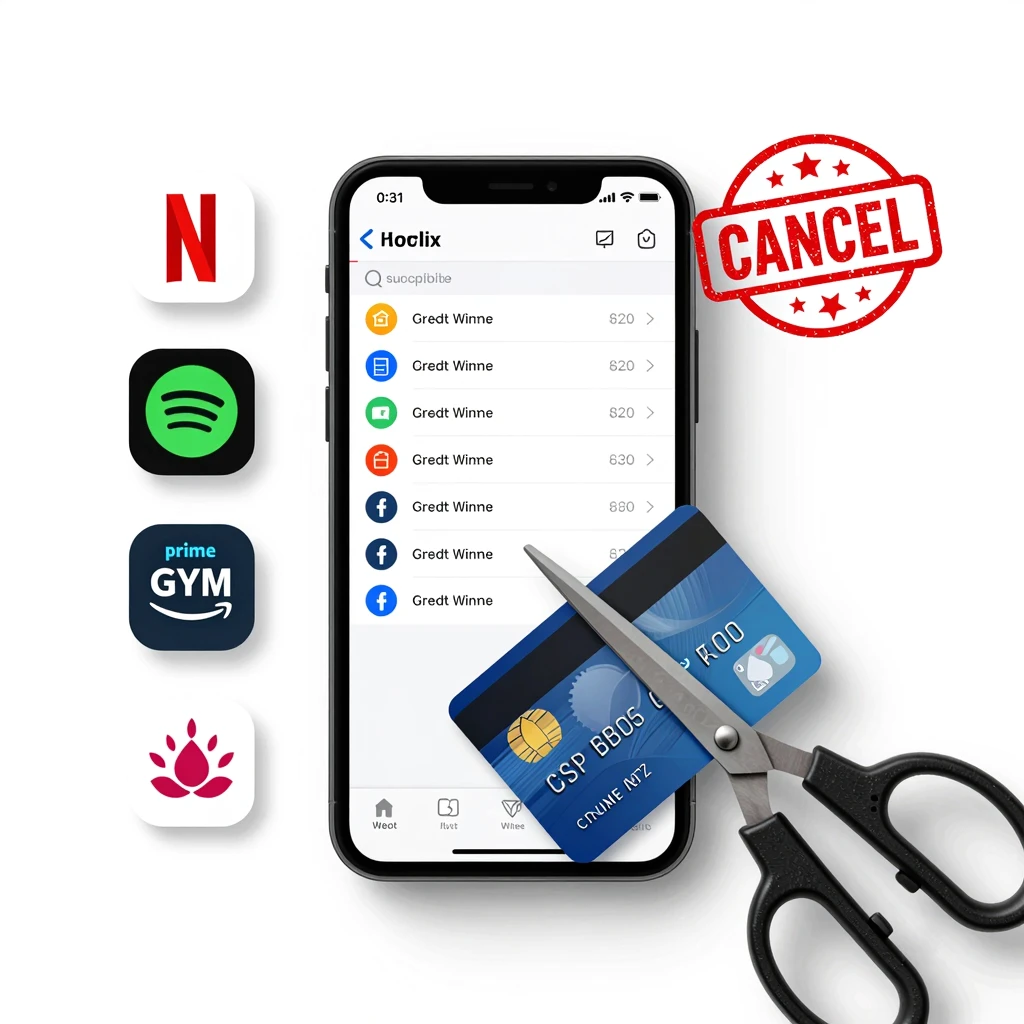
Be honest with me right now.
How many apps and services are you paying for that you completely forgot about?
That meditation app you downloaded once when you were stressed? Still paying. That streaming service you signed up for one show two years ago? Still paying. That gym membership you haven’t seen since last January? Still paying.
I did this audit last year. Sat down with my bank statements for thirty minutes. Found six subscriptions I hadn’t touched in months. Six!
A yoga app. A cloud storage plan I didn’t need. Two streaming services. A magazine subscription I never read. Some random “productivity tool” I used twice.
Cancelled them all. Saved about $65 a month. That’s almost $800 a year for thirty minutes of work. Show me a better hourly rate.
Here’s what you do: Open your bank statements from the last three months. Scroll through. Look for recurring charges. Ask yourself one question: “Did I use this in the last thirty days?”
If the answer is no, cancel it. Takes two minutes per subscription. Do it right now.
2. Stop Paying for Every Streaming Service

Look, I get it. You want to watch what everyone’s talking about.
The new Netflix show. The Disney+ movie. That Amazon Prime series. The HBO thing everyone won’t shut up about.
But do you really need all of them at the same time?
Nobody has time to watch that much content. Seriously. Unless you don’t sleep or don’t have a job, you’re paying for stuff you’re not even opening.
Here’s what smart people do:
Pick one service per month. Watch everything you want on it. Cancel. Move to the next.
Netflix in January. Disney+ in February. Amazon in March. HBO in April. Maybe Hulu in May. Then start over.
By the time you cycle back to Netflix, there’s a whole new batch of stuff to watch.
You’ll save like $300 a year and actually enjoy what you watch because you’re not overwhelmed by choices.
3. Look at Your Phone Bill
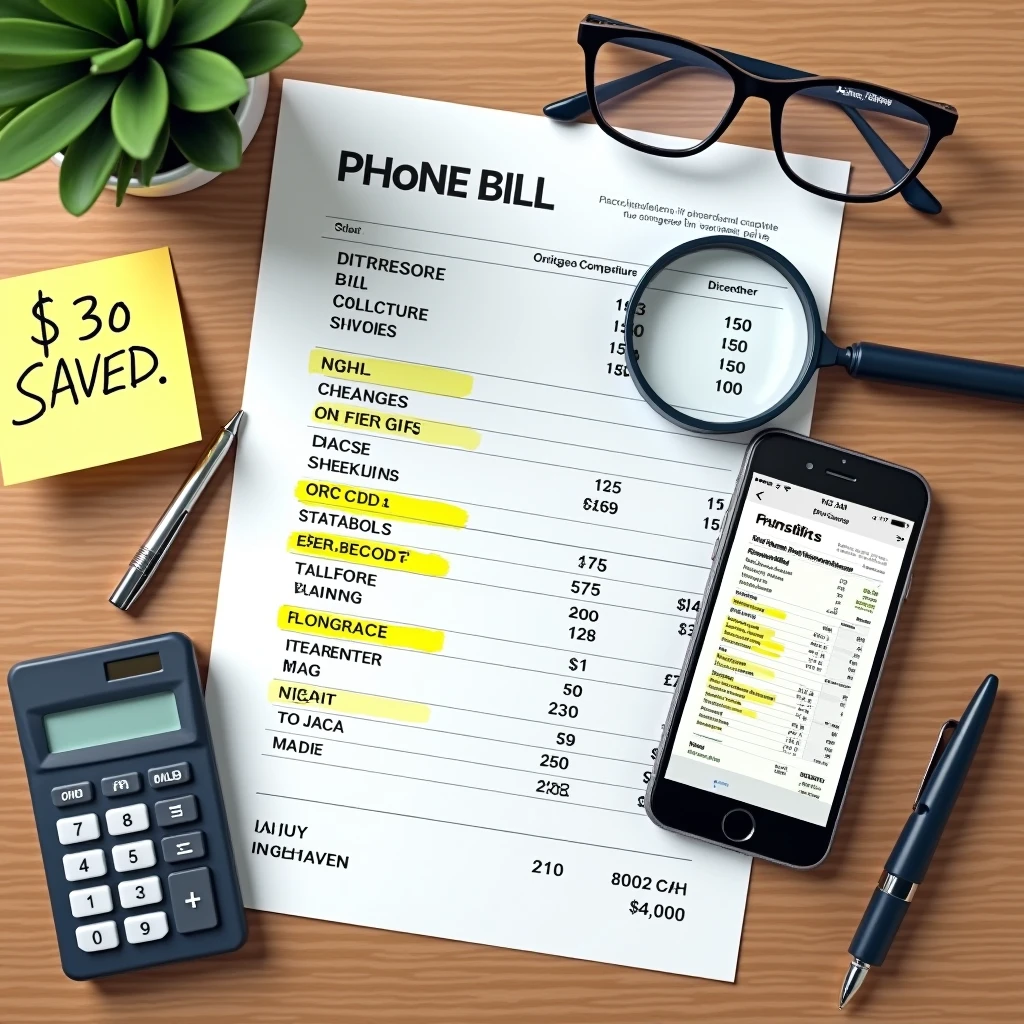
When’s the last time you actually looked at your phone bill?
Not just paid it. Actually looked at what you’re paying for.
Most people haven’t checked in years. And in those years, new plans came out. Prices dropped. Better deals showed up. Competitors started offering more for less.
Take thirty minutes. Compare plans online. Call your provider. Ask if there’s something cheaper. Tell them you’re thinking of switching—they’ll often magically find a better deal.
I did this and saved $30 a month. Same service. Same phone. Same coverage. Just less money going out. That’s $360 a year for one phone call.
4. Use Cashback Apps That Actually Work

Some cashback apps are scams. Some actually give you free money.
Airtime Rewards is one that works. You just use your normal card at places like Asos, Boots, Ikea, and it gives you cashback automatically. You don’t have to do anything different. No clipping coupons. No scanning receipts.
One person I know made £70 ($90) just from buying stuff they were already buying. That’s free money.
Rakuten (formerly Ebates) is another good one. TopCashback too. Honey finds coupon codes automatically when you shop online.
These aren’t get-rich-quick schemes. They’re just small amounts of money for stuff you’re already doing. Takes two minutes to sign up. Free money later.
5. Check Your Bank’s Hidden Offers

Your bank probably has cashback programs you don’t know about.
Seriously. Banks have all kinds of perks they don’t advertise because they want you to just pay and forget.
Lloyds Bank has “Everyday Offers” where you get money back at certain stores. Chase has similar stuff. So do most major banks.
One customer earned over £317 ($400) just from bank cashback. For doing nothing different. Just using their card normally and occasionally checking offers.
Call your bank. Check their app. Ask what they offer. That money is sitting there waiting for you.
6. Share Cloud Storage

Stop paying for your own cloud storage. It’s way more expensive than it needs to be.
Both Google and Apple have family plans. You share one bill with up to five other people.
Let’s do the math together:
Google One Premium is about $10 a month for 2TB of storage. That’s a lot of space.
Split six ways? Less than $2 each per month. And you get way more storage than the free plan.
Get friends, family, or roommates together. Share the plan. Everyone saves. Same storage. Same features. Less money.
7. Delete Shopping Apps

Here’s something they don’t tell you:
Those shopping apps on your phone are designed by teams of smart people whose job is to make you spend money.
The colors. The layout. The notifications. The “limited time offers.” The countdown timers. The “only 3 left in stock” messages. It’s all on purpose. All designed by psychologists to trigger your brain’s reward centers.
Just delete them.
Amazon. Flipkart. Myntra. Zara. Whatever tempts you. Gone.
If you need to buy something, do it from a laptop. That extra step—opening the laptop, typing the URL, logging in—gives your brain time to ask, “Do I really need this?”
Most of the time, the answer is no. And you’ve just saved yourself from an impulse purchase.
8. The 24-Hour Rule

This one habit saved me more money than anything else. I’m not exaggerating.
Whenever you want to buy something that’s not essential—clothes, gadgets, home decor, random stuff—put it in your cart and wait 24 hours.
That’s it. Just wait one full day.
The next day, ask yourself: “Do I still want this? Do I actually need this? Where will I put it? Will I use it next week? Next month?”
Half the time, the excitement fades. You realize it was just an impulse. You move on with your life, money still in your pocket.
And here’s the funny thing: sometimes the store emails you a discount code to finish the purchase. So if you still want it, you get it cheaper. Either way, you win.
9. Free Disney+ (Yes, Free)

If you use Uber or Uber Eats, this one’s for you.
Uber One members get Disney+ free. Monthly members get it for six months. Yearly members get it for a full year.
If you’re already using Uber, that’s just free money. Free entertainment. No extra cost.
10. Cheaper Movie Tickets

Paying full price for movies in 2026 is crazy. I don’t know who actually pays full price anymore.
There are so many cheaper ways:
Vodafone customers can get two Odeon tickets for £8. Three network has Cineworld tickets for £3 each. O2 gives two Vue tickets for £9. Amazon Prime does two tickets for £10.
Check what your phone provider offers. Check if your work has discounts. Check if there’s a cheap cinema near you. You might be paying way too much.
Part 2: Food & Groceries (Where Money Actually Goes)
If you’re like most people, food is probably your biggest leak. Not rent. Not bills. Food.
Because food spending is invisible. $10 here. $20 there. It adds up before you notice.
Let’s fix that.
11. Set “Buy Prices” for Stuff You Always Need

Here’s a strategy that grocery store pros use:
Pick fifteen things you buy all the time. Bread, milk, eggs, butter, coffee, rice, detergent, shampoo, whatever.
Track their prices for a few weeks. Just mentally notice. See what’s normal and what’s a sale.
Then decide: “I will only buy this when it’s under X price.”
When laundry detergent hits your price, stock up. Buy two or three. When it’s full price, wait. You don’t need it right now.
You’ll save like 20-30% on groceries without changing what you buy. Just buying smart.
12. Check the Unit Price

Bigger isn’t always cheaper. Sometimes it’s actually more expensive.
Look at the little price tag on the shelf. It shows price per ounce or per liter. That’s the real price. That’s what matters.
Sometimes the “family size” is actually more expensive per ounce than the regular size. They count on you not checking.
Store brands almost always win this game. And here’s a secret: they’re usually made in the same factory as the name brands. Same stuff, cheaper price, different label.
13. Shop the Markdowns
Stores discount stuff that’s close to expiring. Usually early morning or late evening. Learn when your store does it.
I have a friend who goes to the grocery store at 8pm on Sundays. She gets bakery items for half price. Meat for 30% off. Stuff that’s perfectly fine but needs to be eaten soon.
Apps like Flashfood and Too Good To Go connect you to discounted food that would otherwise get thrown away.
Someone I know got $50 worth of groceries for $15. Perfectly good food. Just close to the date. Ate it that week. Saved $35.
14. Learn What Restaurant Food Actually Costs

Let’s do some real math together.
That $15 meal you order from a delivery app? With tax, tip, service fee, delivery fee, it’s probably $22-25.
The same thing made at home? Maybe $5. Maybe $6.
I’m not saying never eat out. I love eating out. But know what you’re paying for.
Learn five cheap meals you can make at home when you’re tired. Pasta with jarred sauce and frozen veggies. Stir fry with rice. Rice bowls with whatever’s in the fridge. Soup from a can with added stuff. Breakfast for dinner—eggs, toast, maybe some bacon.
Those five meals will save you hundreds a year because they’re your “I’m too tired to cook” backup plan instead of takeout.
15. Meal Plan Like a Normal Person
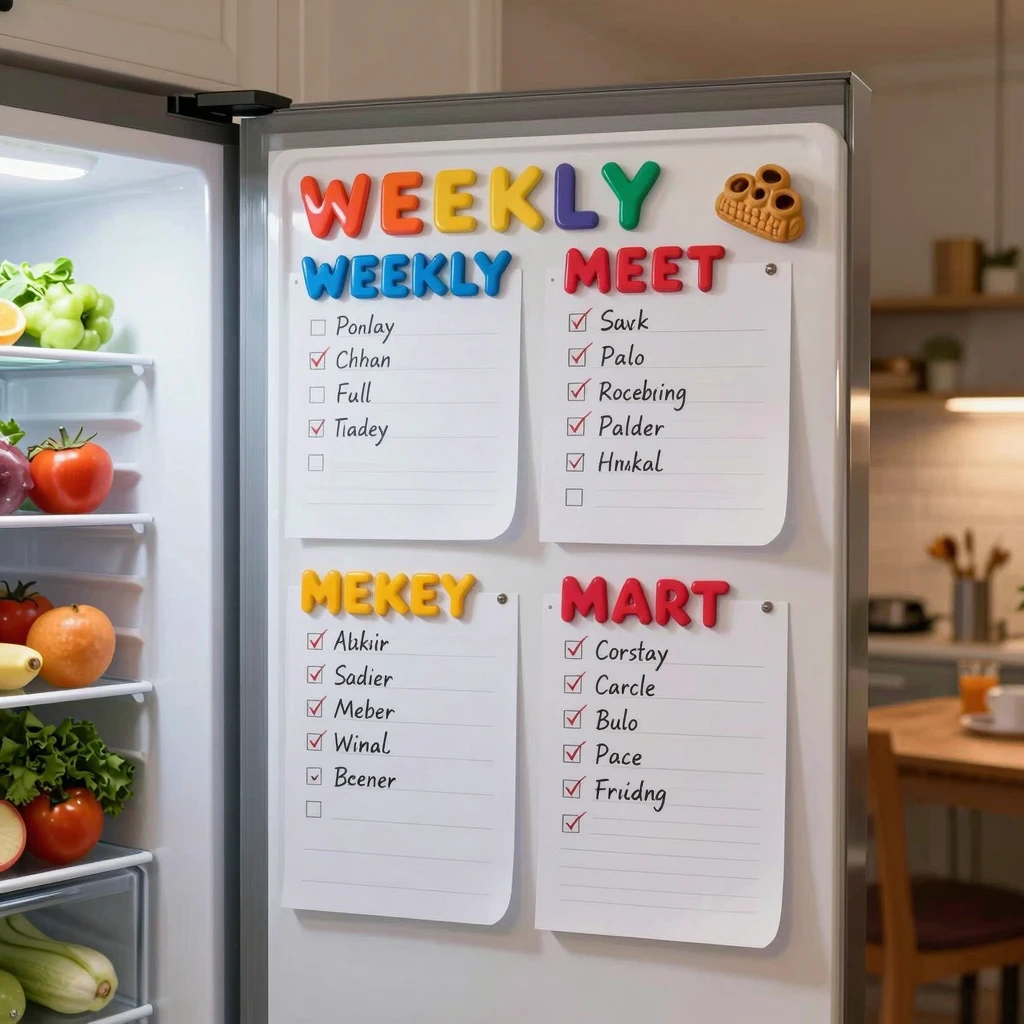
You don’t need a fancy spreadsheet with color coding and nutritional tracking.
Here’s all you do:
Look in your fridge and pantry. See what you already have. Plan a few days of meals around that. Make a list of what’s missing. Go to the store. Buy only what’s on the list.
That’s it. That’s the whole system.
When you know what’s for dinner, you’re less likely to order pizza because you’re tired and hungry and don’t know what else to do.
16. Cook Once, Eat Twice

This is one of my favorite time-saving and money-saving hacks.
Spend two hours on a Sunday making big batches.
Chili. Curry. Soup. Pasta sauce. Roasted veggies. Rice. Grilled chicken.
Put portions in containers. Stick them in the freezer.
Then on busy nights when you’re exhausted and everything hurts and you just can’t, future you just has to reheat stuff. No cooking. No cleaning (much). No takeout needed.
17. Bring Your Own Cup

Lots of coffee shops give discounts if you bring a reusable cup.
Starbucks does 10 cents off. Smaller places often do 50 cents or even a dollar.
If you buy coffee five days a week, that’s $2.50 to $5 saved per week. $10 to $20 per month. $120 to $240 per year.
For bringing a cup from home.
Plus you’re helping the planet. Feels good.
18. Try the Cheap Grocery Store

Brand loyalty is expensive. Store loyalty is expensive.
Try Aldi. Lidl. WinCo. Whatever cheap store is near you.
Buy their store brand stuff. You’ll be surprised how similar it tastes.
Most store brands are made in the same factories as name brands anyway. Same product, different label, lower price. The only difference is the packaging.
19. Buy Bulk Stuff You’ll Actually Use

If you have space and will actually use it, bulk stores like Costco save money.
But here’s the trap: don’t buy huge amounts of stuff that goes bad. That 5-gallon tub of mayonnaise seems like a deal until it grows mold in your fridge three months later.
Bulk works for:
- Toilet paper
- Paper towels
- Laundry detergent
- Canned goods
- Rice and pasta
- Frozen stuff
Bulk doesn’t work for:
- Fresh produce (unless you’re feeding an army)
- Dairy (unless you’ll use it)
- Stuff you’ve never tried before
20. Have “Zero Dollar Days”

Pick one or two days a week where you spend absolutely nothing.
No coffee runs. No takeout. No shopping. No Uber. No vending machines. Nothing.
Bring lunch from home. Make coffee at home. Skip the after-work drinks. Don’t open any shopping apps. Don’t browse Amazon for fun.
It’s like a mini reset for your brain. It shows you that you can survive without spending. It breaks the habit of spending just because you’re bored or tired.
And those two days a week? That’s 104 days a year of no spending. Think about how much that saves.
Part 3: Household & Utilities (The Stuff You Don’t Notice)
These are the quiet expenses. The ones you never think about but slowly drain your account month after month.
21. Check Your Insurance

When’s the last time you looked at your car or home or renter’s insurance?
Companies raise rates slowly over time. A little here, a little there. You probably didn’t notice. But five years later, you’re paying way more than you should.
New companies want your business. They’ll give you better rates to switch.
Once a year, get quotes from three to five companies. Takes an hour. Can save hundreds.
I did this and saved $400 on car insurance. Same coverage. Just a different company.
22. Lower Your Bills Without Suffering
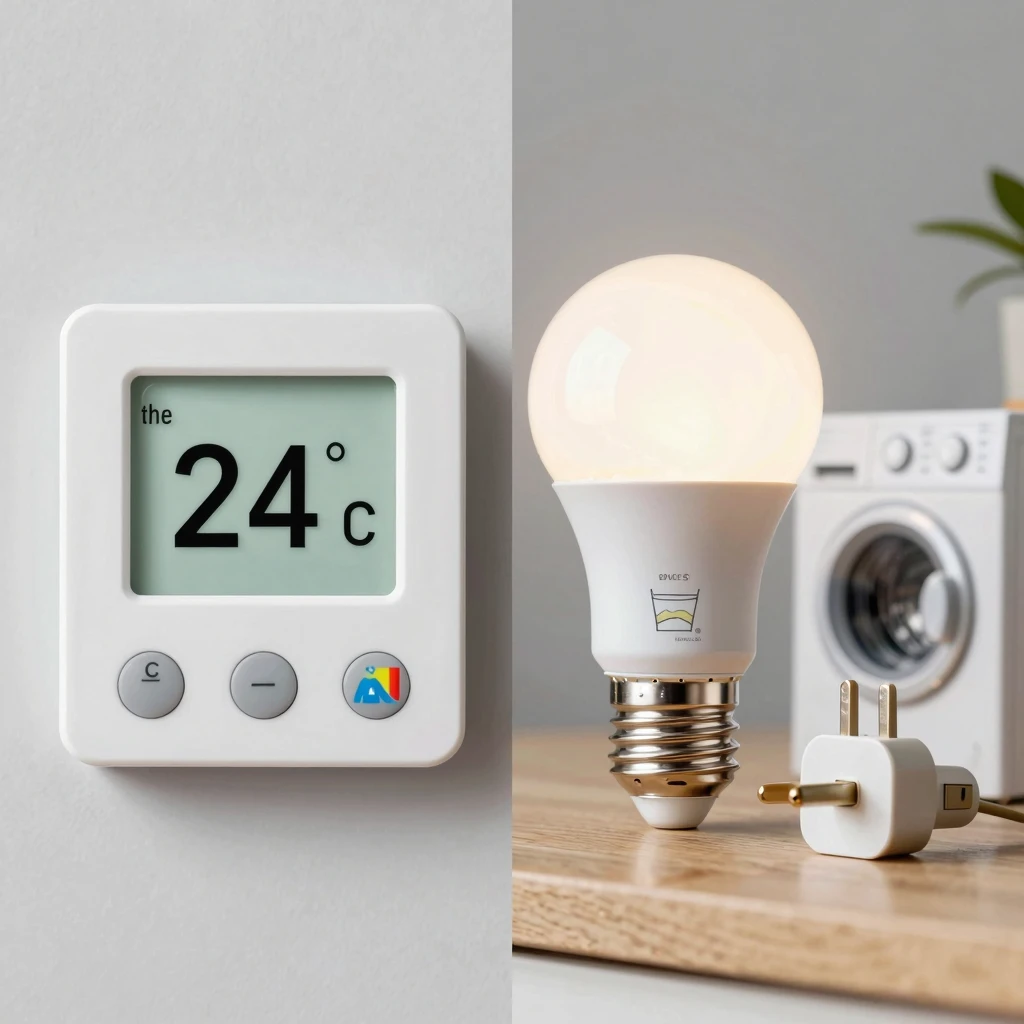
You don’t need to sit in the dark or freeze in winter. Just small changes:
Set the AC to 24 instead of 18 when it’s hot. Wear a sweater instead of blasting heat when it’s cold. Switch to LED bulbs—they use way less energy. Unplug stuff you’re not using—”vampire power” is real. Wash clothes in cold water—works just as well. Take five-minute showers instead of ten.
None of these hurt. None of them make you miserable. They just add up to real savings over time.
23. Make Your Own Cleaners

Here’s a secret they don’t tell you:
Vinegar + water cleans almost everything.
Glass? Vinegar and water in a spray bottle. Countertops? Same thing. Floors? Same thing with a mop.
Baking soda handles the tough stuff—scrubbing sinks, tubs, ovens. Lemon juice makes it smell nice and adds cleaning power.
Store cleaners are expensive. Like, ridiculously expensive. And full of chemicals you don’t need. Make your own for pennies.
24. Try Public Transport Sometimes

Pick one day a week to leave the car at home.
Walk. Bike. Bus. Train. Subway.
You might find it’s not as bad as you thought. Read a book. Listen to music or a podcast. Scroll your phone. Relax instead of stressing in traffic.
Save on gas. Save on parking. Save on wear and tear. Save on the stress of driving.
25. Save on Shipping

If you mail stuff regularly—if you have a small business or sell stuff online—check out Certified Mail Labels.
You can print labels at home and save a few bucks each time. No trips to the post office. No waiting in line. No paying full price.
Small business owners, this one’s for you. Those few bucks each time add up.
26. Buy Used Stuff

Thrift stores have everything.
Clothes. Dishes. Books. Furniture. Sports gear. Kitchen stuff. Even electronics sometimes.
You won’t always find exactly what you want. That’s the trade-off. But when you do find it, it’s usually 80% cheaper than new.
Facebook Marketplace is great for furniture. Craigslist. OfferUp. Thrift shops. Estate sales. Garage sales.
So many options. So much money saved.
27. Grow Your Own Herbs

Even a tiny windowsill can grow basil, mint, cilantro, parsley, rosemary.
Fresh herbs at the store cost three or four bucks and go bad in a week. You use half and throw the rest away.
Homegrown cost pennies and keep growing back. Snip what you need, leave the rest. Fresh herbs whenever you want.
28. Use Apps to Find Cheap Gas

Apps like GasBuddy show gas prices near you. Google Maps has this too.
Before you fill up, check if there’s a cheaper station nearby. Sometimes it’s just a few cents difference. Sometimes it’s twenty or thirty cents.
Over a year, those few cents add up.
29. Move Your Savings to a High-Yield Account

This is free money. Literally free.
Regular savings accounts pay basically nothing. Like 0.05%. On $10,000, that’s five bucks a year.
High-yield savings accounts in 2026 pay around 3.75% to 4%. On $10,000, that’s almost four hundred bucks a year.
Same money. Same safety. Same access. Just more interest.
Do the math on your savings. If you’ve got money sitting in a regular account, you’re losing hundreds a year for no reason.
30. Automate Everything

This is the big one. The master habit. The one that changes everything.
Set up automatic transfers from your paycheck to savings. Every single payday. Before you see the money. Before you can spend it.
Here’s why it works:
When you don’t see the money, you don’t miss it. Your brain just adapts to living on slightly less. And your savings grow without you doing anything. No willpower needed. No decisions. Just growth.
Start with 5%. If that feels fine after a few months, go to 10%. Then 15%. Work your way up.
I promise you: automation beats willpower every single time.
The One Thing Most People Get Wrong
After years of messing up and finally figuring this out, here’s what I’ve learned:
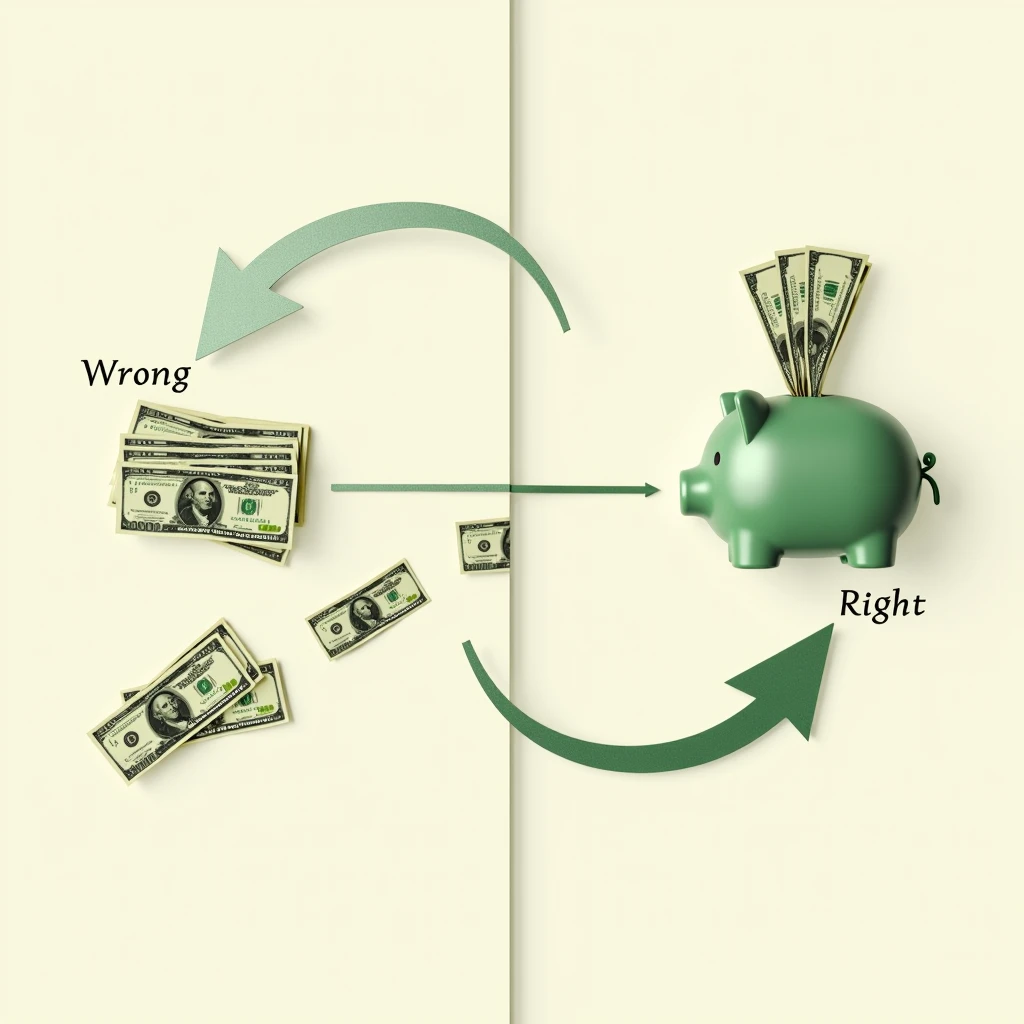
Most people save whatever is left after spending.
Smart people spend whatever is left after saving.
It sounds like the same thing. It’s not.
When you save first, automatically, before you even see the money, it happens without effort. Your life adjusts. You don’t miss it.
When you wait to save whatever’s left, nothing’s ever left. There’s always something. Always a reason to spend.
Save first. Automatically. Every time.
How to Actually Start (Without Burning Out)

Here’s where most people fail:
They read stuff like this, get excited, and try to do everything at once. New budget. Cut all expenses. Save more. Invest smarter. Track every penny.
Then they burn out in two weeks and go back to old habits. Because it’s too much. Too fast. Too overwhelming.
Don’t do that.
Pick one thing from this list. Just one.
Maybe it’s canceling forgotten subscriptions. Maybe it’s the 24-hour rule. Maybe it’s automating your savings. Maybe it’s bringing lunch twice a week.
Do that one thing for 30 days. Make it a habit. Make it automatic. Then pick another.
Slow and steady wins. Consistency beats intensity.
One habit at a time. That’s how you change your life.
Conclusion: Small Stuff Adds Up
Look, I’m not perfect with money.
I still buy stuff I don’t need. I still order takeout when I’m tired. I still have months where I wonder where my money went. I still mess up.
But these habits?
They keep me from going off the rails. They save me from myself on my weakest days. They make sure that even when I mess up, I’m still moving forward.
Some of these ideas save $20 a month. Some save $200. Together, they add up to real money. Money that becomes an emergency fund so you don’t panic when your car breaks down. Money that becomes a vacation so you can actually rest. Money that becomes a down payment so you can buy a home. Money that becomes retirement so you can stop working someday.
Money that gives you options.
And that’s what this is really about. Not being cheap. Not suffering. Not giving up everything fun. Just having options. Just having choices. Just having peace of mind.
So pick one. Start today. See what happens.
One habit. Thirty days. That’s all it takes to start.
The Bottom Line (For Real This Time)
Here’s the truth nobody tells you about money:
Money isn’t the point.
Peace is.
Freedom is.
Waking up without that knot in your stomach is.
Being able to help someone you love when they’re struggling is.
Sleeping through the night without worrying about bills is.
These thirty ideas aren’t really about dollars and cents. They’re about building a life where money is a tool, not a source of stress. Where you’re in control, not your impulses. Where your future self is taken care of because your present self made small, smart choices.
You don’t need to be perfect. You don’t need to give up everything fun. You don’t need to become a different person.
You just need to start. Somewhere. Today.
Pick one habit. Try it for a month. See how it feels.
Your future self—the one who sleeps peacefully, who doesn’t panic when unexpected expenses come up, who actually likes checking their bank balance, who has options and choices and freedom—that version of you is waiting.
And they’re rooting for you. They’re cheering for the person you’re becoming right now.
You got this. Really. You do.
Which one are you trying first? Drop it in the comments—I’d honestly love to know. And if this article helped someone you know, share it with them. Sometimes the best thing you can give someone is a better relationship with money.