
10 Ways to Stop Living Paycheck to Paycheck

There’s nothing more exhausting than feeling like your paycheck disappears the moment it hits your bank account. One week you feel financially okay, and the next you’re stressing about bills, groceries, debt, or unexpected expenses. Living paycheck to paycheck creates constant anxiety because there’s never enough breathing room.
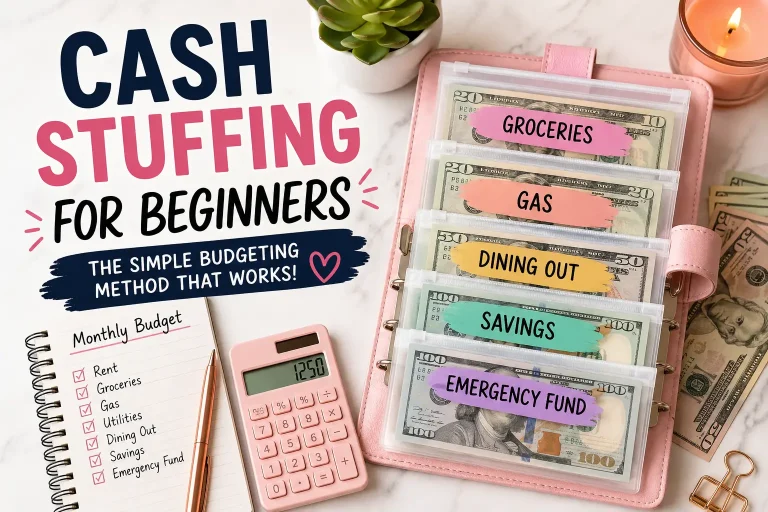
The hardest part is that many people blame themselves for struggling financially. But the truth is, most people were never taught how to manage money properly. Rising costs, debt, emotional spending, and lack of savings make it incredibly easy to feel financially trapped.
The good news is that you can break the cycle. Financial stability does not happen overnight, but small smart decisions repeated consistently can completely change your future. If you’re tired of constantly worrying about money, these practical steps can help you finally regain control of your finances.
1. Face Your Financial Situation Honestly
The first step to improving your finances is knowing exactly where you stand. Many people avoid checking bank accounts, credit card balances, or debt totals because it feels overwhelming. But avoiding your finances only increases stress and confusion.
Sit down and calculate:
- Your total monthly income
- Your bills and fixed expenses
- Your debt payments
- Your subscriptions
- Your spending habits
- Your savings
This process may feel uncomfortable at first, but financial clarity is powerful. Once you understand where your money is going, you can start making intentional changes instead of reacting emotionally every month.
2. Create a Budget That Actually Works
A budget is not about restricting your life. It’s about giving your money a purpose before you spend it.
Most people fail at budgeting because they create unrealistic plans that are impossible to follow long term. The key is building a budget that fits your real lifestyle while helping you improve gradually.
Separate your spending into categories:
- Needs
- Wants
- Savings
- Debt payments
Track your expenses consistently and look for small areas where you can reduce spending without feeling miserable. Even saving an extra $10 or $20 regularly starts building financial discipline and momentum over time.
3. Stop Emotional Spending Habits
Emotional spending is one of the biggest reasons people stay stuck financially. Stress, boredom, sadness, and anxiety often trigger unnecessary purchases that provide temporary comfort but create long-term financial problems.
Before buying something, pause and ask yourself:
- Do I really need this?
- Am I buying this emotionally?
- Will this matter next month?
Learning to control impulse spending is one of the most important money habits you can build. Small unnecessary purchases may not seem dangerous individually, but over time they quietly drain your paycheck.
4. Build an Emergency Fund
Unexpected expenses are part of life. Cars break down, medical bills appear, and emergencies happen when you least expect them. Without savings, even small problems force people deeper into debt.
Start small if necessary. Your first goal does not need to be thousands of dollars. Focus on saving:
- Your first $100
- Then $500
- Then one month of expenses
An emergency fund creates peace of mind and helps prevent financial setbacks from destroying your progress.
5. Pay Off High-Interest Debt First
Debt is one of the biggest reasons people feel financially trapped. Credit cards and high-interest loans quietly consume future income and make it harder to move forward financially.
Focus on paying off:
- Credit card debt
- Payday loans
- Personal loans with high interest
Many people use either the debt snowball method or debt avalanche method. Both strategies work if you stay consistent. The important thing is reducing debt aggressively so more of your paycheck stays in your pocket every month.
6. Increase Your Income With Side Hustles
Cutting expenses helps, but increasing your income creates faster financial progress. Relying on one paycheck can be risky, especially when living costs continue rising.
Consider additional income sources like:
- Freelancing
- Blogging
- Pinterest marketing
- Selling digital products
- Online tutoring
- Remote work
- Small business ideas
Even a few hundred extra dollars per month can help you pay off debt faster, build savings, and reduce financial stress significantly.
7. Learn to Live Below Your Means
One of the most powerful financial habits is spending less than you earn consistently. Many people increase their lifestyle every time their income increases, which keeps them financially stuck even with higher salaries.
Living below your means does not mean living a miserable life. It means prioritizing long-term financial freedom instead of temporary appearances or impulse purchases.
True financial peace comes from:
- Smaller debt payments
- Lower financial stress
- More savings
- Better money habits
- Greater flexibility in life decisions
8. Automate Your Finances
Good financial habits become easier when they happen automatically. Instead of relying on willpower every month, automate the important parts of your finances.
Set up:
- Automatic bill payments
- Automatic savings transfers
- Automatic debt payments
Automation reduces late fees, helps you save consistently, and removes the stress of constantly managing every transaction manually.
9. Stop Comparing Yourself to Others
Social media makes it easy to feel financially behind. People constantly post vacations, expensive purchases, luxury lifestyles, and success highlights. What you don’t see are the debts, stress, and financial struggles behind many of those images.
Trying to keep up with other people’s lifestyles is one of the fastest ways to stay broke.
Focus on your own financial goals instead:
- Building savings
- Paying off debt
- Creating stability
- Improving your future
Financial success is not about looking rich online. It’s about creating real security and freedom in real life.
10. Focus on Progress, Not Perfection
Financial improvement is not a straight line. Some months will go well, and others will feel frustrating. Unexpected expenses will happen. Mistakes will happen. That does not mean you failed.
The people who eventually achieve financial stability are not perfect — they are consistent.
Small daily habits matter:
- Spending intentionally
- Saving regularly
- Avoiding unnecessary debt
- Tracking expenses
- Making smarter financial decisions over time
Progress may feel slow in the beginning, but consistency creates massive long-term results.
Final Thoughts
If you’re tired of living paycheck to paycheck, remember this: financial change is possible. You do not need to become wealthy overnight to start improving your life. You simply need a plan, better habits, and the willingness to stay consistent.
Every smart financial decision you make today builds a stronger future tomorrow. Start small, stay patient, and focus on long-term progress instead of quick fixes.
One year from now, you’ll be grateful you started today.