

40 Smart and Practical Ways to Save Money in the USA
Saving money can feel difficult when everyday expenses keep rising and paychecks seem to disappear quickly. Between rent, groceries, transportation, subscriptions, and unexpected bills, many households struggle to keep extra cash in their bank accounts. The good news is that you don’t need a huge income to start building savings. What you need is a smart system, better habits, and consistent small changes.
Below are realistic and practical money-saving strategies that actually work for individuals and families across the United States.
1. Create a Realistic Monthly Budget
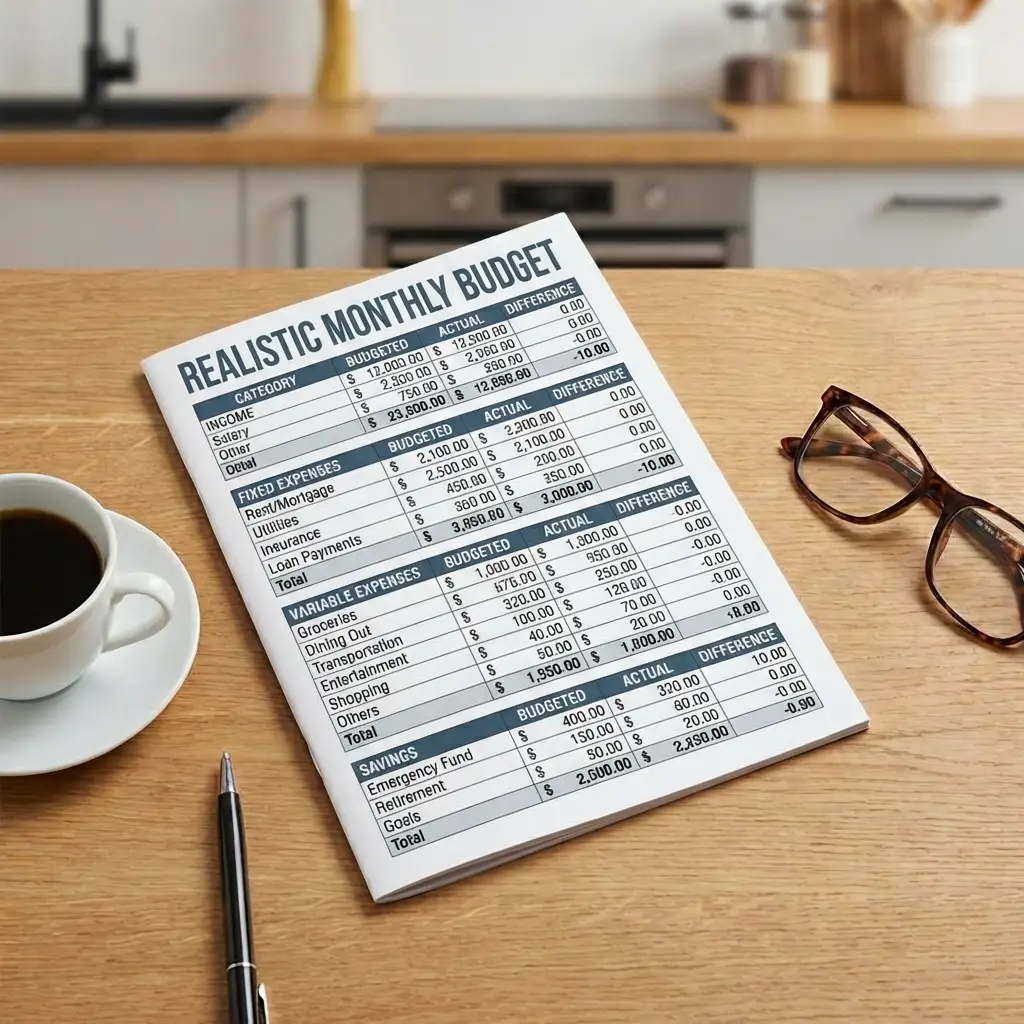
A monthly budget gives you control over your finances instead of wondering where your money went. When you assign every dollar a purpose, you reduce wasteful spending and start making intentional financial decisions.
2. Track Your Spending Regularly

Many people underestimate how much they spend on small purchases. Tracking daily expenses for even one month can reveal patterns and highlight areas where you can easily cut back.
3. Use the 50/30/20 Framework

Dividing your income into needs, wants, and savings simplifies money management. This method keeps lifestyle spending balanced while ensuring you consistently put money aside.
4. Automate Your Savings

Setting up automatic transfers to your savings account removes the temptation to spend first. When saving becomes automatic, your balance grows without extra effort.
5. Build an Emergency Fund

Unexpected expenses like car repairs or medical bills can quickly lead to debt. Having a financial cushion prevents you from relying on high-interest credit cards.
6. Cut Unnecessary Subscriptions

Streaming services, fitness apps, and monthly memberships can quietly drain your account. Reviewing and canceling unused subscriptions frees up money instantly.
7. Plan Your Meals in Advance
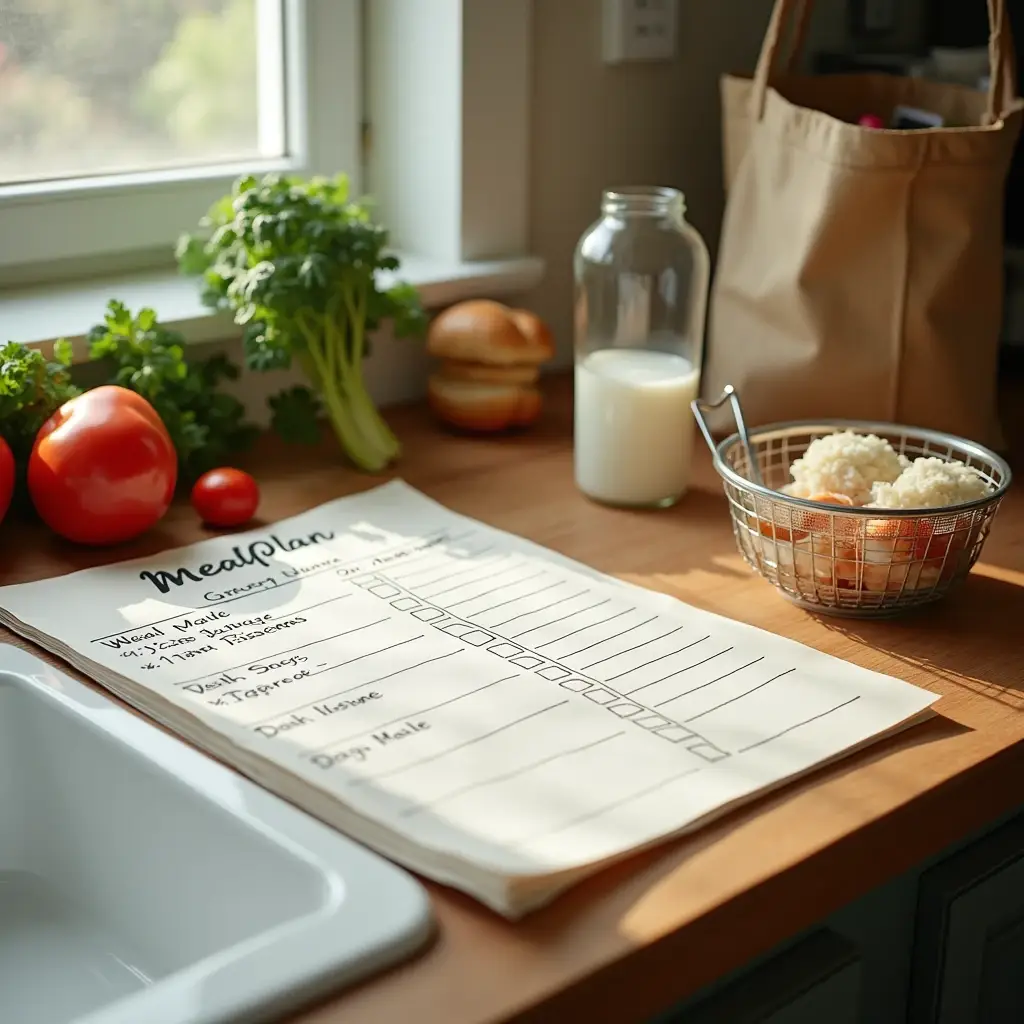
Meal planning reduces grocery costs and prevents last-minute takeout orders. When you shop with a list, you avoid impulse purchases and food waste.
8. Cook at Home More Often
Eating out regularly adds up faster than most people realize. Preparing meals at home just a few extra times per week can save hundreds of dollars monthly.
9. Bring Your Own Coffee

Daily coffee shop visits may feel small, but they add up significantly over time. Brewing coffee at home keeps more money in your pocket.
10. Buy Generic Brands

Store-brand products often match the quality of name brands at a lower price. Switching to generic groceries and household items can noticeably reduce your monthly expenses.
11. Shop With a List

Impulse buying is one of the biggest budget killers. A shopping list keeps you focused and prevents unnecessary spending.
12. Compare Prices Before Buying

Taking a few minutes to compare prices online or between stores can lead to meaningful savings. Small price differences add up over time.
13. Use Cashback and Rewards Programs

Cashback programs reward you for purchases you were already planning to make. Over time, these rewards can become a helpful bonus to your savings.
14. Lower Your Utility Bills

Turning off lights, adjusting thermostats, and unplugging unused electronics can reduce energy consumption. Even small reductions in monthly bills make a difference annually.
15. Avoid Emotional Spending

Many purchases are made out of stress, boredom, or excitement rather than need. Recognizing emotional triggers helps you pause and rethink spending decisions.
16. Use the 24-Hour Rule

Before buying non-essential items, wait at least a day. This delay often reduces impulse purchases and helps you decide if the item is truly necessary.
17. Pay Off High-Interest Debt First

Interest charges can quietly drain your income. Prioritizing high-interest debt frees up money that can later be redirected toward savings.
18. Negotiate Your Bills

Service providers sometimes offer discounts if you ask. Calling to request lower rates on internet, insurance, or phone services can result in immediate savings.
19. Reevaluate Insurance Plans

Comparing insurance policies annually ensures you’re not overpaying. Shopping around can reveal better coverage at lower rates.
20. Use Public Transportation Occasionally

Driving every day increases fuel and maintenance costs. Using public transportation when possible reduces overall transportation expenses.
21. Sell Items You No Longer Use

Decluttering your home can turn unused belongings into extra cash. Selling online or locally creates quick income that can boost your savings.
22. Avoid Lifestyle Inflation

When income increases, many people increase spending just as quickly. Instead of upgrading everything immediately, focus on increasing your savings rate.
23. Set Clear Financial Goals

Saving becomes easier when you know what you’re working toward. Whether it’s a vacation, home purchase, or debt freedom, clear goals provide motivation.
24. Use Cash for Problem Categories

If you overspend in certain areas, try using cash instead of cards. Physically handing over money makes spending feel more real and controlled.
25. Plan Large Purchases Ahead of Time

Big purchases should never be emotional decisions. Planning ahead allows you to research, compare prices, and wait for discounts.
26. Buy Used When Possible

Many items such as furniture, electronics, and clothing are available in excellent condition for much less than retail prices. Choosing secondhand can significantly cut costs.
27. Prepare for Seasonal Expenses
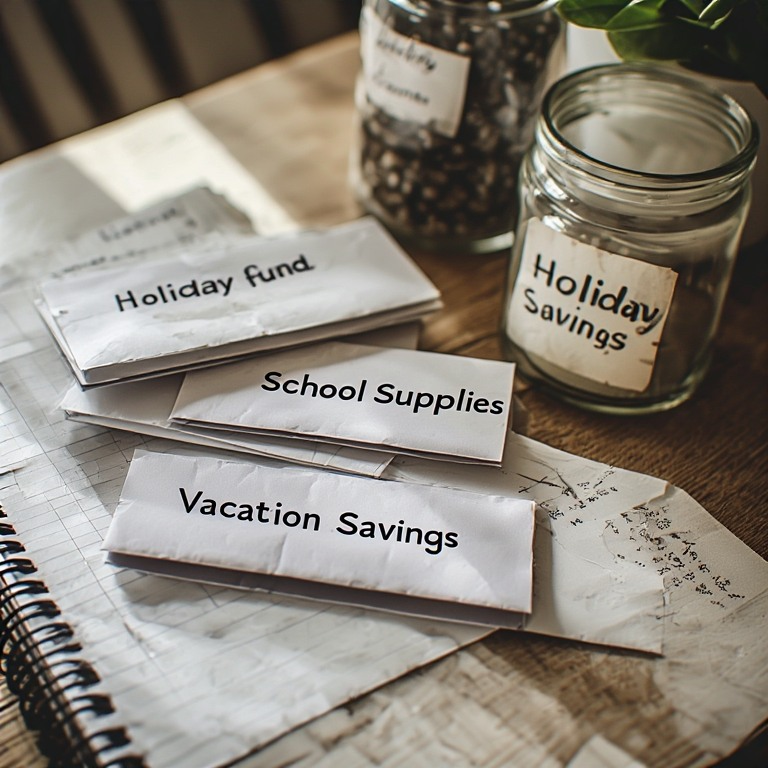
Holidays, school supplies, and travel costs are predictable. Saving small amounts monthly for these events prevents financial stress later.
28. Review Bank Statements Monthly

Regularly checking your statements helps you spot unnecessary charges and subscriptions. Awareness is one of the most powerful tools for saving money.
29. Increase Retirement Contributions Gradually

Even small increases in retirement savings can have a large impact over time. Consistency matters more than starting with a large amount.
30. Create Weekly Spending Limits

Breaking your budget into weekly limits makes it easier to manage. Smaller time frames help prevent overspending early in the month.
31. Avoid Credit Card Interest

Paying your balance in full each month prevents expensive interest charges. Keeping debt low protects your long-term financial health.
32. Practice Energy Efficiency at Home

Using energy-efficient appliances and light bulbs reduces long-term utility expenses. Small investments in efficiency often pay off quickly.
33. Cook Larger Portions
Preparing extra portions saves time and money. Leftovers reduce the need for expensive convenience meals.
34. Use Coupons Strategically

Coupons are most effective when used for items you already plan to buy. Combining coupons with sales maximizes savings without encouraging extra spending.
35. Try a No-Spend Challenge
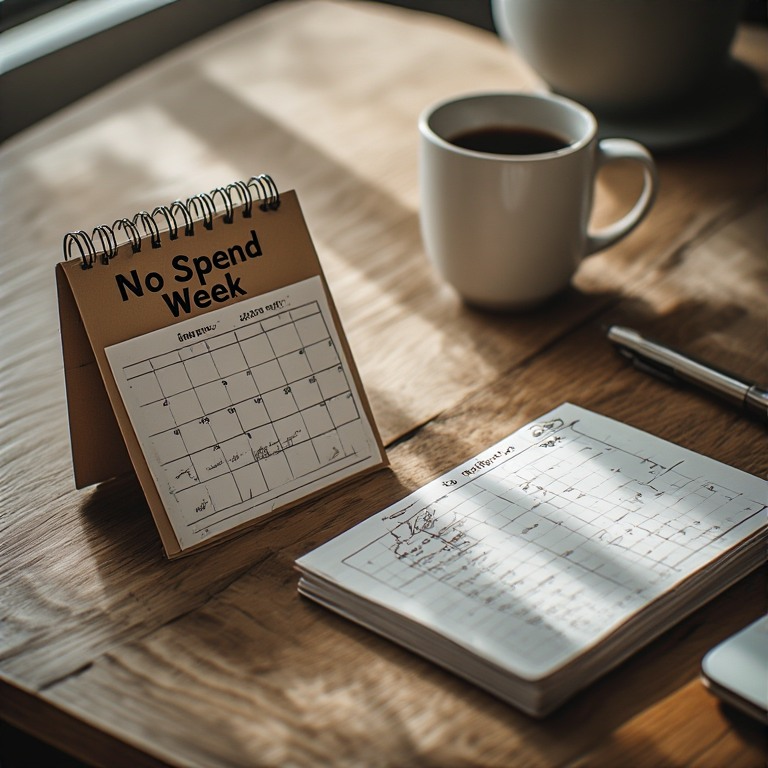
A short no-spend period helps reset your habits and identify unnecessary expenses. It increases awareness and strengthens financial discipline.
36. Create a Grocery Price Reference
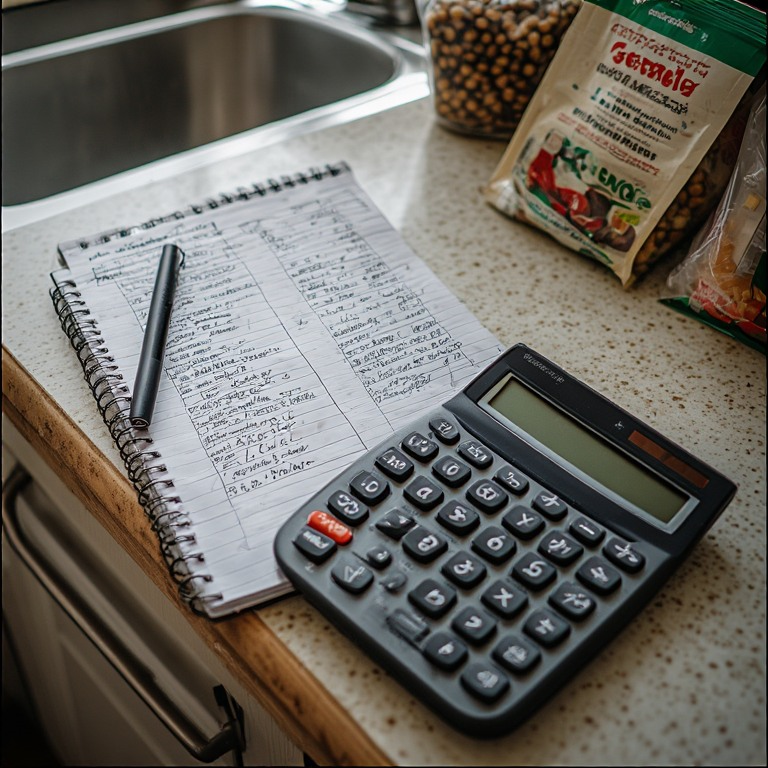
Knowing the typical price of frequently purchased items helps you recognize real deals. This prevents overpaying during regular shopping trips.
37. Limit Online Shopping

Online stores make spending too easy. Removing saved payment methods or limiting browsing time reduces impulse purchases.
38. Share Expenses When Possible

Carpooling, splitting subscriptions, or sharing bulk purchases lowers individual costs. Shared expenses can significantly reduce monthly bills.
39. Learn Basic Home Maintenance

Handling simple repairs yourself avoids service fees. Learning small maintenance skills can save hundreds annually.
40. Stay Consistent and Patient
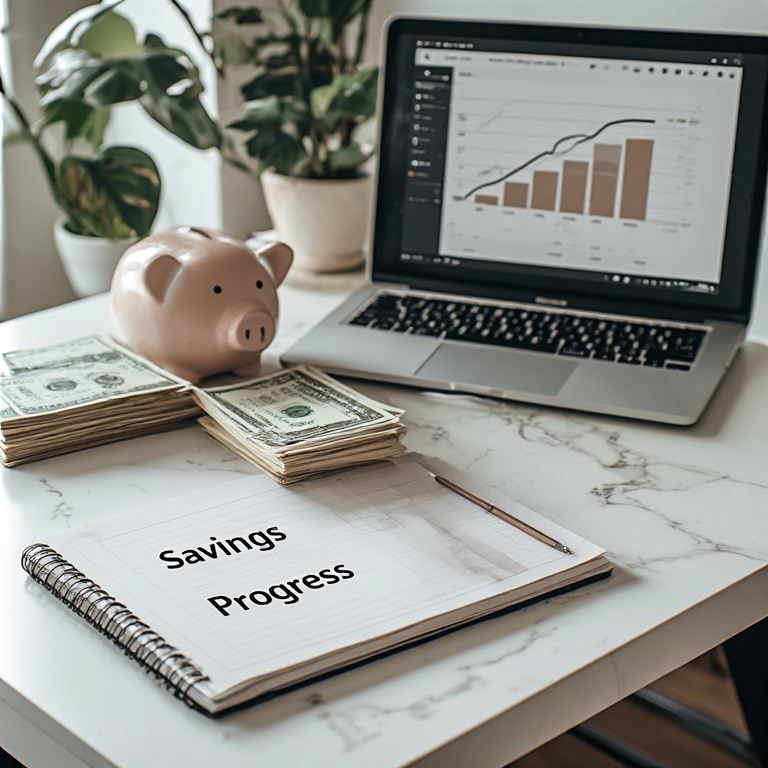
Saving money is not about extreme restrictions. It’s about consistent habits and gradual improvements that strengthen your financial stability over time.
Final Thoughts
Saving money is less about earning more and more about managing what you already have wisely. Small daily decisions shape your long-term financial future. When you combine smart budgeting, mindful spending, and consistent saving, financial security becomes achievable.
The key is not perfection but progress. Start with a few strategies from this list and build from there. Over time, these habits will create real financial freedom and peace of mind.