
Do you feel like your money disappears by the end of the month? Do you often buy things you don’t really need? If yes, then a No Spend Month could be the financial reset you’re looking for. One month of discipline can break bad habits, save real cash, and change how you see money forever.
In this article, we’ll explain what a No Spend Month is, how it works, and how just 30 days can transform your financial health. A No Spend Month doesn’t mean spending zero money. You still pay rent, buy groceries, and cover essentials. But you stop all unnecessary spending – no eating out, no new clothes, no coffee shops, no impulse buys. It’s a detox for your wallet.
We’ll share the exact rules, common mistakes to avoid, and simple tips to succeed. You’ll also get a free printable tracker and real-life examples. Whether you want to pay off debt or build savings, this challenge works. Ready to start? Let’s dive in.
What is a No Spend Month?
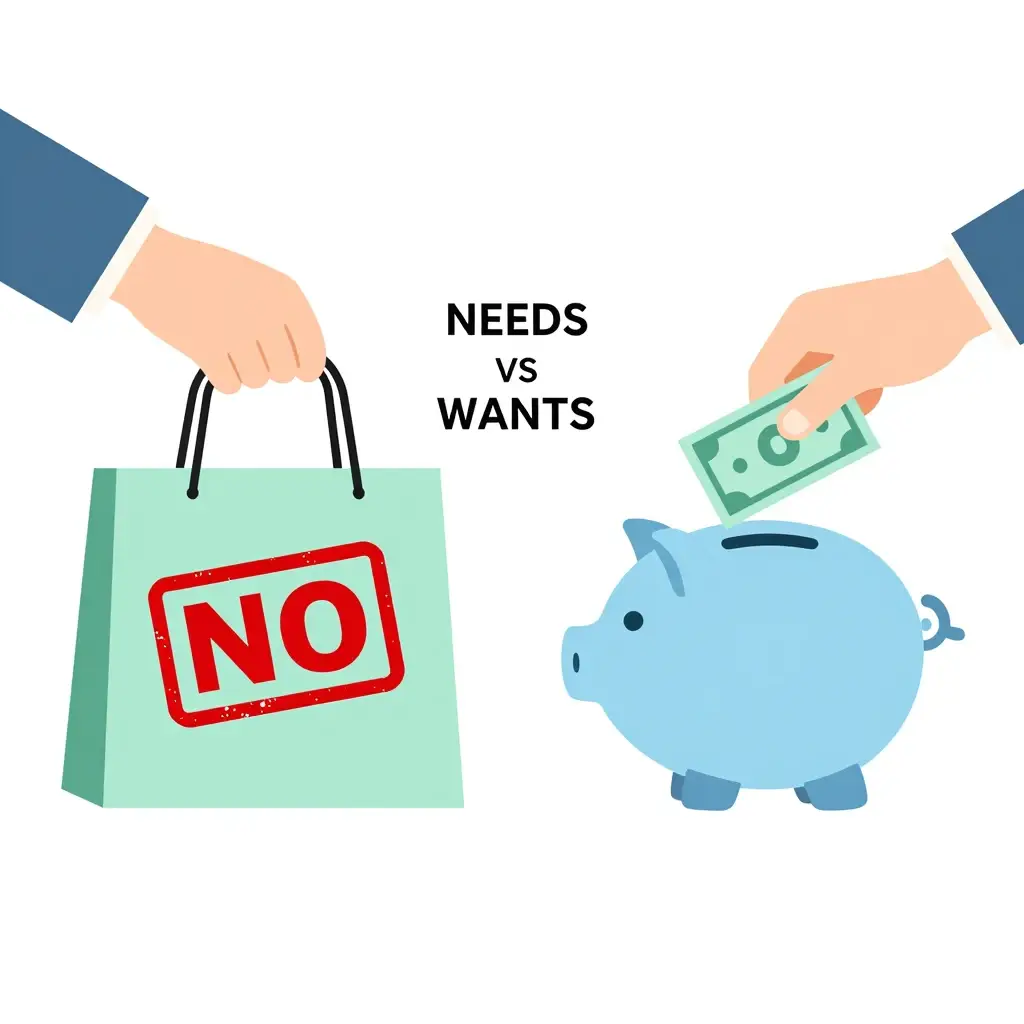
A No Spend Month means you stop all unnecessary spending for an entire month. You only buy the essentials, such as:
- Rent / EMI
- Electricity and water bills
- Groceries (milk, vegetables, bread, etc.)
- Medicines
- Fuel for work commute
Everything else — like eating out, online shopping, new gadgets, coffee from cafes, subscriptions, or impulse buys — is completely off limits.
💡 Note: A No Spend Month does NOT mean spending zero money. It means spending only on what you truly need, not what you want.
Think of it as a financial detox. Just like a juice cleanse resets your body, a no spend month resets your spending habits. It breaks the autopilot mode of swiping your card without thinking.
Why Try a No Spend Month?

Here are the top benefits of doing a No Spend Month:
| Benefit | How It Helps |
|---|---|
| Boosts savings | Stops wasteful spending, so more money stays in your bank. |
| Reduces debt | Use the money saved to pay off credit cards or loans faster. |
| Teaches self-control | Helps you understand the difference between needs and wants. |
| Breaks bad habits | Stops emotional or boredom spending. |
| Increases financial awareness | You become more mindful of where every dollar goes. |
Real Talk: What Can You Expect to Save?
The average person spends $50–$200 per month on non-essentials like takeout, coffee, subscriptions, and impulse buys. During a no spend month, you could save all of that.
Imagine what you could do with an extra $200:
- Pay off a small credit card bill
- Start an emergency fund
- Buy a flight ticket to see family
- Invest for your future
How to Do a No Spend Month (Step by Step)
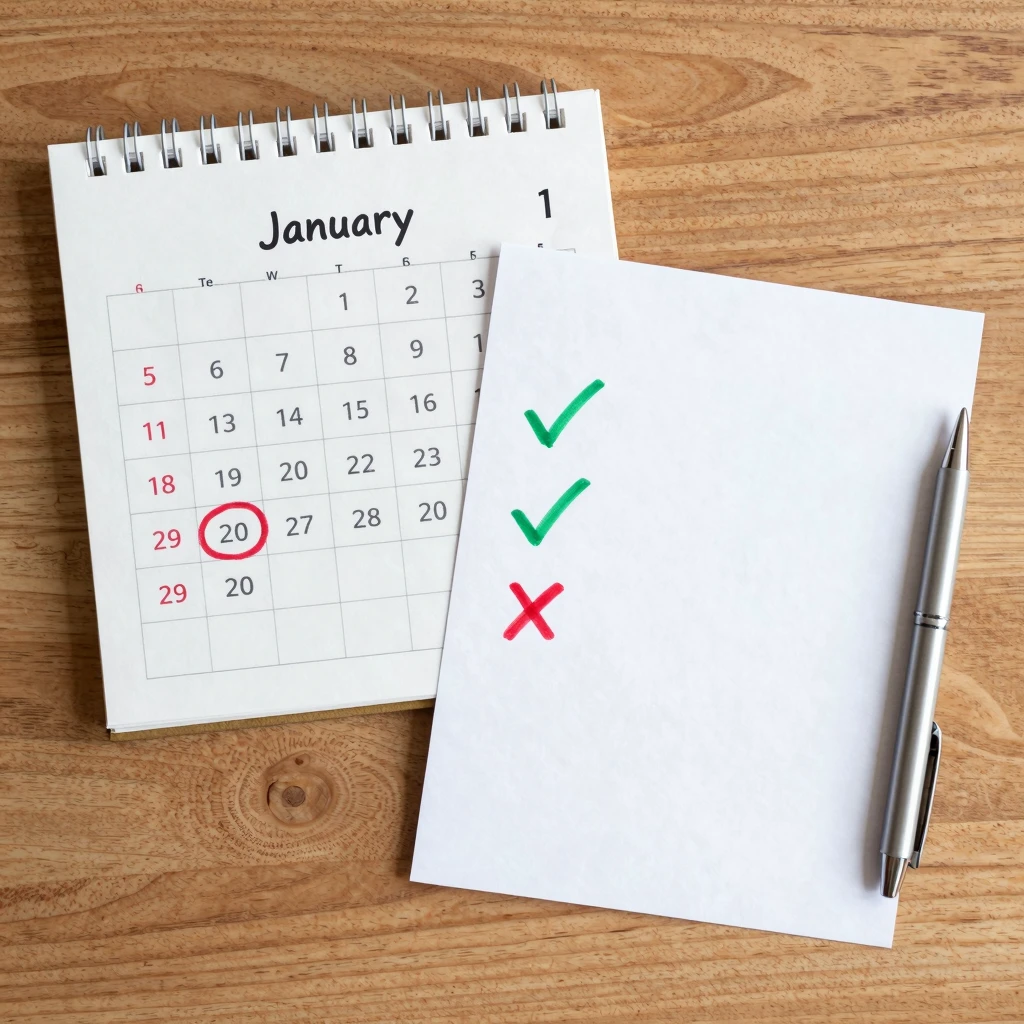
Follow these simple steps to succeed:
Step 1: Pick Your Start Date
Choose a month that works for you. Many people pick:
- January (after holiday spending)
- September (no major holidays)
- February (shortest month!)
Avoid months with:
- Weddings or big family events
- Major sales (like Black Friday)
- Your birthday (unless you’re okay with no gifts)
Step 2: Define Your “Yes” and “No” Lists
| ✅ YES (Essential) | ❌ NO (Not Allowed) |
|---|---|
| Rent / Mortgage | Eating out / takeout |
| Utilities (electricity, water) | New clothes / shoes |
| Groceries (basic food items) | Coffee shops |
| Medicines | Online shopping (Amazon, etc.) |
| Fuel for work | Movies, concerts, events |
| Minimal phone/internet bill | Subscriptions (Netflix, Spotify) |
| Basic toiletries (soap, toothpaste) | Beauty treatments (nails, salon) |
| Pet food | Alcohol or junk food |
Step 3: Tell Your Family or Roommates
Let the people you live with know about your plan. This avoids pressure or misunderstandings.
Say something like:
“Hey, I’m doing a no spend month to save money. That means I won’t be going out to eat or shopping for fun. You don’t have to join me, but please don’t pressure me to spend.”
Step 4: Remove Temptations
Out of sight, out of mind.
- Unsave credit card details from shopping apps
- Unsubscribe from promotional emails
- Hide shopping apps in a folder or delete them temporarily
- Unfollow brand accounts on Instagram
Step 5: Track Everything
Use a simple notebook or a free app (like Google Sheets) to note every single expense.
At the end of the month, review where your money actually went. You might be shocked.
📝 Pro tip: Create a simple checklist in your notes app. Every day you don’t spend on non-essentials, put a ✅. Watch the chain grow.
What to Do With the Money You Save?

At the end of your No Spend Month, don’t just waste the savings. Instead:
- Pay off high-interest debt (credit cards, personal loans) – This saves you future interest.
- Add to your emergency fund (aim for 3–6 months of expenses) – Life is unpredictable.
- Invest in a simple recurring deposit or mutual fund – Make your money grow.
- Save for a real goal (like a vacation, down payment, or new laptop) – Reward your discipline.
Example Savings Breakdown
| If you save… | In 3 no spend months… | In 6 no spend months… |
|---|---|---|
| $50 | $150 | $300 |
| $100 | $300 | $600 |
| $200 | $600 | $1,200 |
Tips to Succeed in a No Spend Month

1. Cook at Home
Plan simple, cheap meals. Batch cook on Sundays.
👉 Try: Rice + beans, pasta with veggies, egg fried rice, oatmeal.
2. Use What You Have
Shop from your own pantry, wardrobe, and bookshelf.
You probably already own things you forgot about.
3. Find Free Entertainment
- Walk in the park
- Library books (free!)
- YouTube workouts
- Board games at home
- Reddit communities or online forums
4. Wait 24 Hours Before Buying Anything Non-Essential
The urge often disappears by the next day. Put it in a “wishlist” and revisit after 30 days.
5. Don’t Be Too Hard on Yourself
If you slip up once (e.g., bought a coffee), just continue the next day. Don’t quit the whole month.
6. Use Cash Instead of Cards
Physically handing over cash feels more painful than swiping a card. This alone can reduce spending by 20%.
7. Create a “Why” Wall
Write down why you’re doing this. Put it on your fridge or phone wallpaper. Examples:
- “To pay off $5,000 debt”
- “To go on a trip to Florida”
- “To stop living paycheck to paycheck”
Common Mistakes to Avoid

| Mistake | Why It’s a Problem |
|---|---|
| Not planning groceries | You’ll end up ordering expensive takeout. |
| Boredom spending | Scrolling shopping apps leads to temptation. |
| Hanging out at malls/cafes | Peer pressure or atmosphere makes you spend. |
| Being too strict | Cutting absolutely everything (even soaps or basic needs) is not sustainable. |
| Not telling friends | They’ll invite you to expensive dinners without knowing. |
| No replacement for habits | If you always buy coffee at 3 PM, replace it with tea from home. Don’t just leave a void. |
Sample No Spend Month Rules (Printable)
Here’s a simple rule card you can save to your phone or print:
text
📅 My No Spend Month Rules

Start Date: _____________
End Date:   _____________
My Goal (Why): _________________________________

✅ I will spend on:
✓ Rent / EMI
✓ Groceries (only from my pre-made list)
✓ Medicines
✓ Utility bills
✓ Fuel (work only)
✓ Basic toiletries (if run out)

❌ I will NOT spend on:
✗ Eating out / DoorDash / UberEats
✗ Coffee / tea outside
✗ New clothes, shoes, accessories
✗ Amazon / Target / Walmart online
✗ Movies, Netflix, gaming (use free version)
✗ Alcohol or junk food
✗ Beauty / salon treatments
✗ Gadgets or electronics

Emergency exception (e.g., broken fridge): _________

Days completed: ___ / 30
No Spend Month Tracker Idea (DIY)
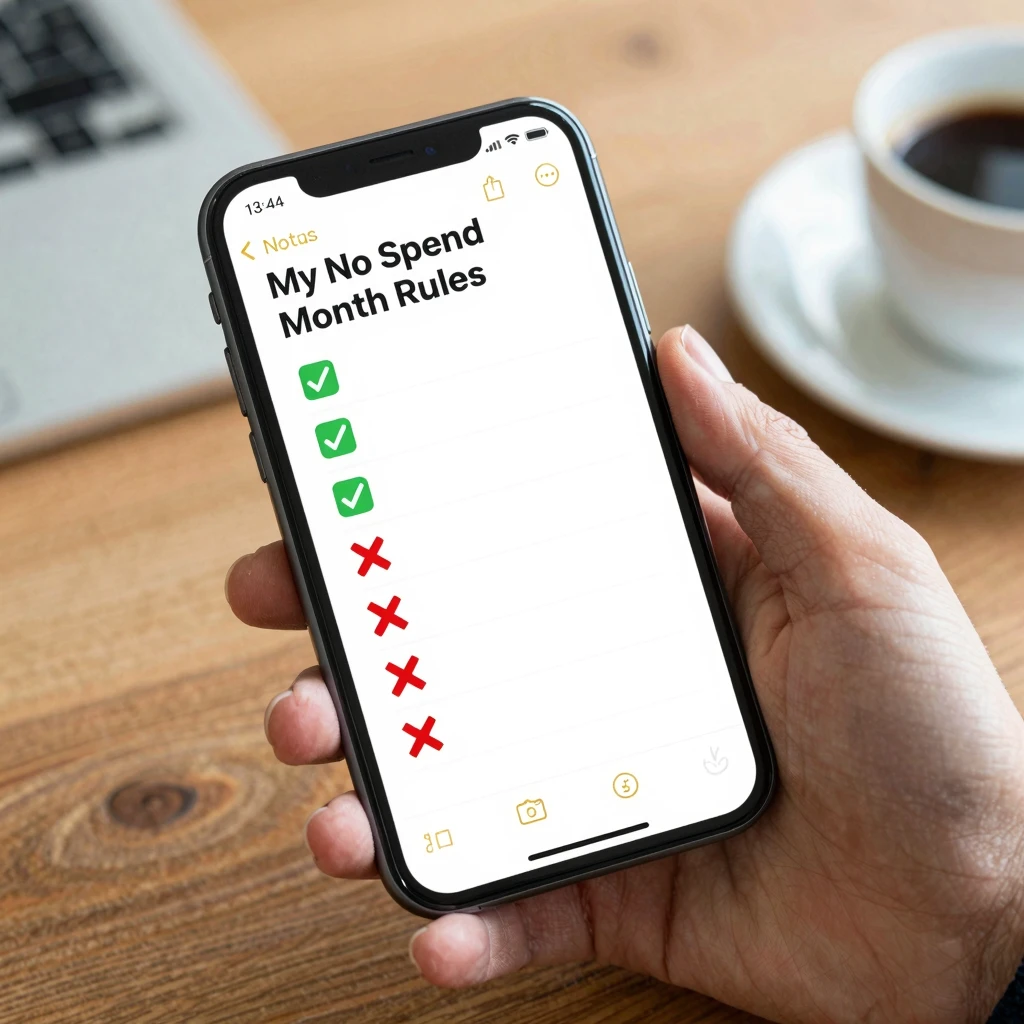
You don’t need a fancy app. Here’s a simple tracker you can draw on paper:
Week 1: ✅ ✅ ✅ ✅ ✅ ✅ ✅
Week 2: ✅ ✅ ❌ (oops, coffee) ✅ ✅ ✅ ✅
Week 3: ✅ ✅ ✅ ✅ ✅ ✅ ✅
Week 4: ✅ ✅ ✅ ✅ ✅ ✅ ✅
Total no-spend days: 27/30
Money saved: $_______
🖨️ Want a printable PDF? Copy the table above into Word or Canva and print.
What If You Live With a Partner or Kids?
A no spend month gets trickier with family. Here’s how to handle it:
With a Partner
- Agree on the rules together – Don’t force it.
- Set a joint goal (e.g., “We save $2,000 for a new sofa”)
- Plan cheap date nights – Walk, cook together, watch a free movie at home.
With Kids
- Explain in simple terms: “We’re saving for something special, so no new toys this month.”
- Find free fun: Park, library, baking at home.
- Say no gently: “Not right now” instead of “We can’t afford it.”
Real-Life Example: How One Person Saved $600 in 30 Days
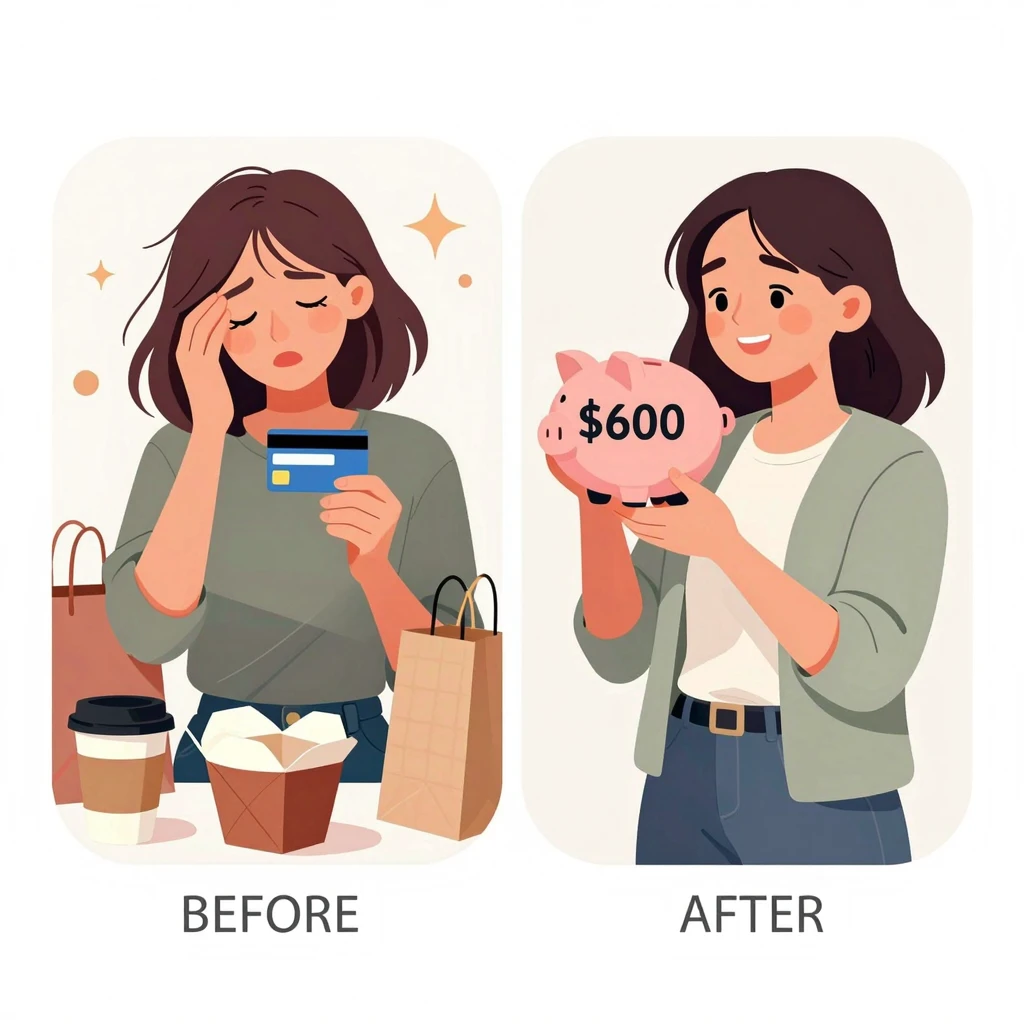
Meet Sarah (fake name, real story). Before her no spend month, she spent:
| Expense | Monthly Cost |
|---|---|
| Takeout coffee (5x week) | $60 |
| Eating out (3x week) | $240 |
| New clothes online | $150 |
| Subscriptions (Netflix, gym, Spotify) | $80 |
| Impulse buys (Amazon) | $70 |
| Total non-essential | $600 |
During her no spend month, she cut all of that. She:
- Made coffee at home
- Ate from her pantry
- Wore clothes she already owned
- Used free YouTube workouts
- Waited 24 hours before any purchase
Result: She saved $600 in one month. She used it to pay off a credit card. Then she did a mini no spend weekend every month afterward.
Final Thoughts: Is a No Spend Month Worth It?

Yes. Even if you do it just once, a No Spend Month will change how you see money.
You’ll realize:
- How much you were spending without thinking
- That happiness doesn’t come from buying things
- That you already have enough
And the best part? You don’t have to live like this forever. One month of discipline can create months of freedom.
Try it for 30 days. Your future self (and your bank balance) will thank you.