

Cash Stuffing for Beginners
Disclaimer:
The information provided in this article is for educational and informational purposes only and should not be considered financial, investment, or legal advice. Always do your own research and consult with a qualified financial professional before making important financial decisions. Results from budgeting methods like cash stuffing may vary depending on individual income, spending habits, and financial goals.
Introduction

Cash Stuffing for Beginners is one of the easiest and most effective ways to take control of your money, build better spending habits, and finally start saving consistently. This trending budgeting method has become extremely popular on Pinterest, TikTok, and YouTube because it helps people visually organize their finances using real cash instead of relying only on debit cards or digital payments.
The concept is simple. You divide your monthly income into different spending categories like groceries, gas, bills, entertainment, and savings. Then you place physical cash into envelopes or a budget binder system. Once the money in a category is gone, you stop spending from that category. This simple habit helps reduce overspending and encourages smarter financial decisions.
Many people struggle with saving money because swiping a card feels effortless. But physically handling cash creates awareness and discipline. That is why the cash envelope system works so well for beginners trying to improve their financial habits.
Another reason why cash stuffing is becoming so popular is because it makes budgeting feel less stressful and more organized. Whether your goal is to pay off debt, build an emergency fund, stop impulse shopping, or simply learn how to budget money, this system can help.
The best part is that anyone can start. You do not need a high income, expensive software, or financial expertise. Even beginners with a small paycheck can benefit from cash budgeting, money saving challenges, and simple spending categories.
In this complete guide, you will learn exactly how Cash Stuffing for Beginners works, how to start your first budget, what supplies you need, common mistakes to avoid, and the best tips for long-term success.
What Is Cash Stuffing?
Cash stuffing is a budgeting method where you withdraw physical cash and divide it into separate categories based on your monthly expenses and savings goals.
Each category receives a specific amount of money.
For example:
| Category | Budget |
|---|---|
| Groceries | $300 |
| Gas | $120 |
| Dining Out | $100 |
| Entertainment | $80 |
| Savings | $200 |
The money is placed into envelopes, zipper pouches, or a cash stuffing binder. You only spend the money assigned to each category.
This system is also known as the cash envelope budgeting system because every category has its own envelope.
Once an envelope becomes empty, spending stops until the next paycheck or month.
This method helps people:
- Control spending
- Avoid impulse purchases
- Build savings faster
- Stay organized financially
- Improve money management skills
Why Cash Stuffing Works So Well
Many people fail at budgeting because digital spending feels invisible. Swiping a card does not create the same emotional connection as handing over physical cash.
That is why cash stuffing for beginners can completely change spending habits.
Physical Cash Creates Awareness
Seeing cash leave your envelope makes you more careful with spending decisions.
Helps Reduce Overspending
The system naturally limits unnecessary purchases because every category has a fixed amount.
Encourages Better Financial Habits
People become more intentional with money and learn how to prioritize needs over wants.
Makes Saving Easier
By assigning money to savings categories first, you avoid spending everything before saving.
Beginner Friendly
Unlike complicated spreadsheets or finance apps, cash budgeting is simple and easy to understand.
Supplies Needed for Cash Stuffing
One reason why Pinterest users love this budgeting trend is because the supplies are affordable, aesthetic, and customizable.
Budget Binder
A cash stuffing binder keeps your envelopes organized and easy to manage.
Cash Envelopes
You can use:
- Paper envelopes
- Laminated envelopes
- Zipper pouches
- Mini wallets
Budget Sheets
Budget trackers help monitor spending and remaining balances.
Savings Challenge Pages
These pages help track:
- Emergency funds
- Vacation savings
- Debt payoff
- Christmas savings
- Money saving challenges
Calculator
A calculator makes budgeting easier and helps avoid mistakes.
How to Start Cash Stuffing for Beginners
Starting your first budget may feel overwhelming, but the process becomes simple once you follow a routine.
1. Calculate Your Monthly Income
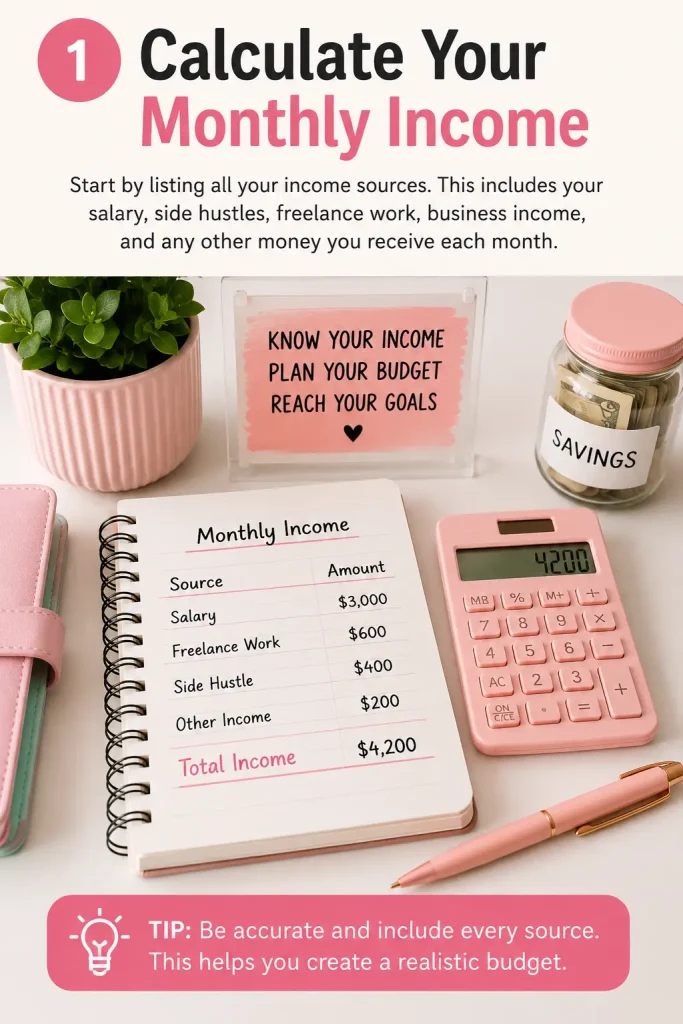
Start by listing all income sources.
Examples include:
- Salary
- Freelance income
- Side hustles
- Business income
- Government benefits
Knowing your exact monthly income is essential for creating a realistic budget.
2. List All Monthly Expenses

Write down every expense you pay monthly.
Fixed Expenses
These stay mostly the same each month:
- Rent
- Insurance
- Phone bill
- Internet
- Car payment
Variable Expenses
These change regularly:
- Groceries
- Gas
- Shopping
- Entertainment
- Dining out
This step helps identify where your money currently goes.
3. Create Spending Categories
Now divide your expenses into categories.
Popular cash stuffing categories include:
| Category | Purpose |
|---|---|
| Groceries | Food shopping |
| Gas | Transportation |
| Dining Out | Restaurants and takeout |
| Household | Cleaning supplies |
| Personal Care | Haircuts and skincare |
| Entertainment | Movies and hobbies |
| Savings | Emergency fund |
| Gifts | Holidays and birthdays |
These categories make budgeting easier and more organized.
4. Set Budget Limits
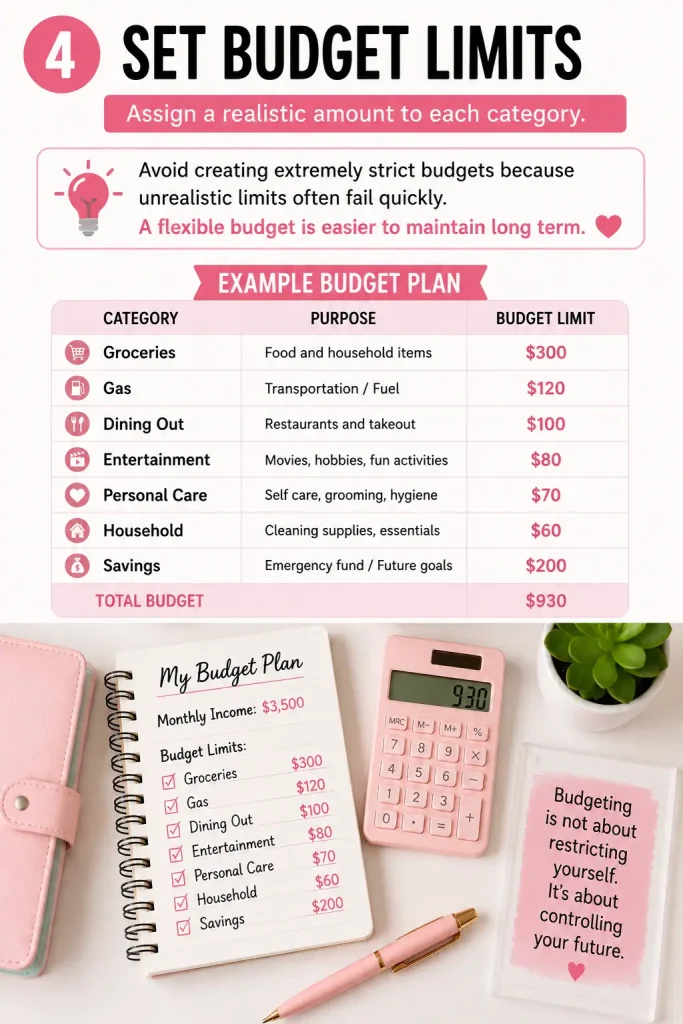
Assign a realistic amount to each category.
Avoid creating extremely strict budgets because unrealistic limits often fail quickly.
A flexible budget is easier to maintain long term.
5. Withdraw Your Cash

Go to the bank and withdraw the total amount needed for your cash categories.
Some people keep bills and online payments digital while using cash only for variable spending categories.
This is called hybrid cash budgeting.
6. Stuff the Envelopes

Place the correct amount into each envelope or binder section.
For example:
- Grocery envelope → $300
- Dining envelope → $100
- Gas envelope → $120
Now your spending plan is physically organized.
7. Spend Only From Assigned Categories

This is the most important rule of cash stuffing.
Only spend money from the correct envelope.
Once the cash is gone, spending should stop for that category.
This habit builds powerful financial discipline.
Best Cash Stuffing Categories for Beginners
Choosing the right categories can make budgeting much easier.
Groceries
Food spending is one of the easiest areas to overspend.
Using cash helps avoid unnecessary grocery purchases.
Dining Out
Restaurants and takeout can destroy budgets quickly.
A separate envelope helps control these expenses.
Entertainment
This includes:
- Streaming services
- Movies
- Shopping
- Hobbies
Setting limits prevents overspending on fun purchases.
Gas and Transportation
Fuel costs add up fast, especially with rising gas prices.
Emergency Fund
Even saving small amounts consistently can create financial security over time.
Common Cash Stuffing Mistakes
Beginners often make several mistakes when starting.
Creating Unrealistic Budgets
Extremely strict budgets usually fail.
Start with realistic spending limits.
Forgetting Irregular Expenses
People often forget:
- Car repairs
- School supplies
- Holidays
- Birthdays
- Medical expenses
Planning ahead prevents financial stress.
Using Debit Cards Too Often
The system only works properly when you stay committed to using cash consistently.
Not Tracking Spending
Tracking expenses helps identify spending patterns and problem areas.
Giving Up Too Quickly
Budgeting takes practice.
Small mistakes are normal in the beginning.
Benefits of Cash Stuffing
There are many reasons why this budgeting system continues growing in popularity.
Helps Save Money Faster
People naturally spend less when using physical cash.
Improves Financial Discipline
The envelope system creates spending boundaries and accountability.
Reduces Financial Stress
Knowing exactly where your money goes creates peace of mind.
Makes Budgeting Simple
No complicated finance knowledge is required.
Helps Pay Off Debt
Many people use cash stuffing for debt payoff because it limits unnecessary spending.
Digital Cash Stuffing Alternatives
Some people prefer digital versions of the envelope system.
Popular options include:
- Budgeting apps
- Virtual sinking funds
- Digital envelope apps
- Spreadsheet budgeting
These methods follow similar budgeting principles without physical cash.
Best Tips for Successful Cash Stuffing
Start Small
You do not need dozens of categories at first.
Start simple.
Track Every Dollar
Small purchases add up quickly.
Adjust Your Budget Monthly
Budgets should change based on real life situations.
Include Fun Money
Allowing some entertainment spending prevents burnout.
Use Savings Challenges
Pinterest users love:
- 100 envelope challenge
- 52 week savings challenge
- No spend challenge
- Vacation savings challenge
These challenges make saving more motivating.
Is Cash Stuffing Worth It?
For many people, cash stuffing for beginners is life changing because it creates awareness, discipline, and organization around money.
It may seem old-fashioned, but physical cash helps people reconnect with their spending habits in a powerful way.
Whether your goal is:
- Building an emergency fund
- Learning how to save money
- Stopping impulse spending
- Paying off debt
- Improving financial habits
this budgeting system can help.
Consistency matters more than perfection.
Even small financial improvements can create major long-term results.
Frequently Asked Questions
Is cash stuffing good for beginners?
Yes. It is one of the easiest budgeting systems for beginners because it is visual and simple.
Does cash stuffing actually save money?
Yes. Many people spend less because cash creates stronger spending awareness.
Do I need a cash stuffing binder?
No. Regular envelopes work perfectly fine for beginners.
Can I combine cash stuffing with digital banking?
Yes. Many people use a hybrid system with both cash and online payments.
What happens if I run out of money in an envelope?
You either stop spending or move money from another category.
Conclusion
Cash Stuffing for Beginners is one of the simplest and most effective ways to improve money management, reduce overspending, and build stronger financial habits. By using physical cash and organized spending categories, this budgeting system creates awareness and discipline that many people struggle to achieve with digital payments alone.
One of the biggest reasons why cash envelope budgeting works so well is because it turns budgeting into a visual process. You can physically see how much money remains in each category, making it easier to control spending and prioritize savings goals.
Whether you want to build an emergency fund, stop impulse shopping, pay off debt, or simply learn better personal finance tips, cash stuffing can help create long-term financial stability.
The key to success is consistency. Start simple, create realistic categories, track your spending, and stay committed to your financial goals. Over time, even small budgeting improvements can completely transform your financial future.